

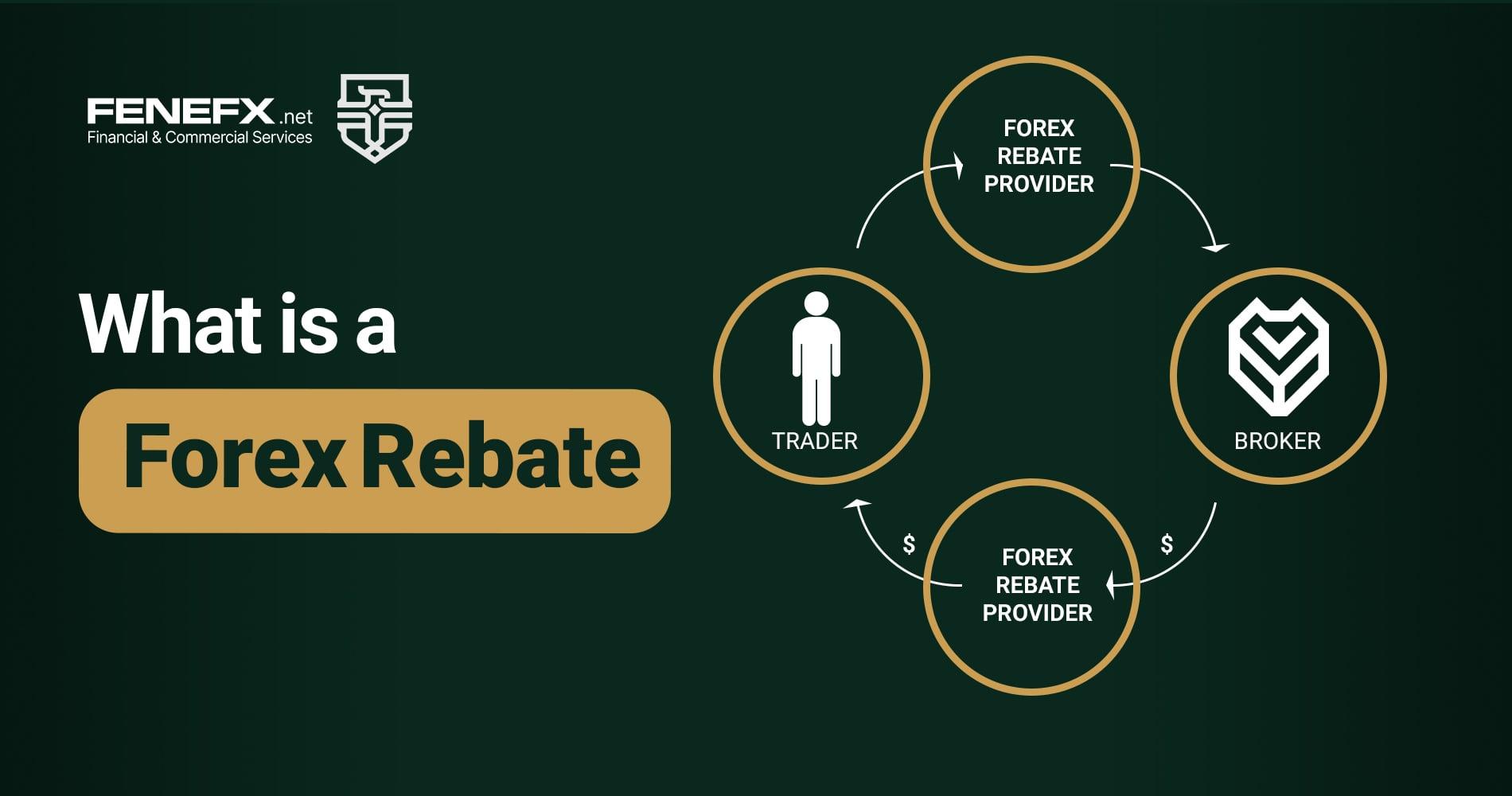
What is rebate in Forex?
Rebate literally means a discount or a partial refund of a cost. In the Forex market, rebate refers to a portion of the spread that the broker receives, which is returned to the trader's account. In other words, rebate is a type of reward for trading with a specific broker.
Types of Rebate
There are two main types of rebate in Forex:
Fixed Rebate:In this type of rebate, the broker returns a fixed amount to the trader’s account for each traded lot. The fixed rebate amount is predetermined by the broker and is the same for all trades.
Variable Rebate:In this type of rebate, the rebate amount is determined based on the trader’s trading volume over a specific period of time (e.g., monthly). The higher the trader’s volume, the greater the rebate they will receive.
Important Notes About Rebate
Before choosing a Forex broker based on a rebate program, make sure to carefully read the terms and conditions related to the rebate. Some brokers may set specific requirements for receiving a rebate, such as a minimum trading volume within a certain time period. Rebate should not be the only factor in choosing a Forex broker. Other factors such as the broker’s credibility, the trading platform provided, trading spreads, and customer support services should also be considered. Make sure your chosen Forex broker is a reputable and licensed one.
Rebate in Forex can be a way to reduce trading costs and increase profitability for traders. However, it is important to carefully review the related terms and conditions and take other factors into account before selecting a broker based on a rebate program.
The Role and Position of IB or Marketer in the Forex Rebate System
The Forex market (Foreign Exchange Market), as the largest financial market in the world, provides a platform for trading various currencies around the clock. In this market, Forex brokers play a crucial role in facilitating trades. One of the strategies used by brokers to attract clients and increase trading volume is the implementation of the Forex rebate system.
In this system, an individual known as an IB (Introducing Broker) or marketer introduces new clients to the broker and receives a portion of their spread or trading commission as a reward.
The Role and Responsibilities of an IB in the Forex Rebate System
A Forex Introducing Broker (IB) plays a key role in establishing the connection between the brokerage and potential clients. The main responsibilities of an IB include:
Client Acquisition
Forex IBs are responsible for identifying and attracting new clients to the brokerage. They use various marketing methods such as advertising, organizing educational seminars, and networking to find potential clients and introduce them to the broker’s services and products.
Client Education and Support
IBs often serve as the first point of contact for new clients. They are tasked with helping clients learn how to use the trading platform, understand Forex market concepts, and utilize the broker’s analytical tools. Additionally, IBs may provide initial customer support and, when necessary, refer clients to the brokerage’s specialized support team.
Building Long Term Relationships
Establishing effective communication and building trust based relationships with clients is one of the key responsibilities of Forex IBs. A successful IB should be able to understand the financial needs and goals of their clients and assist them in choosing suitable trading tools and managing risk appropriately.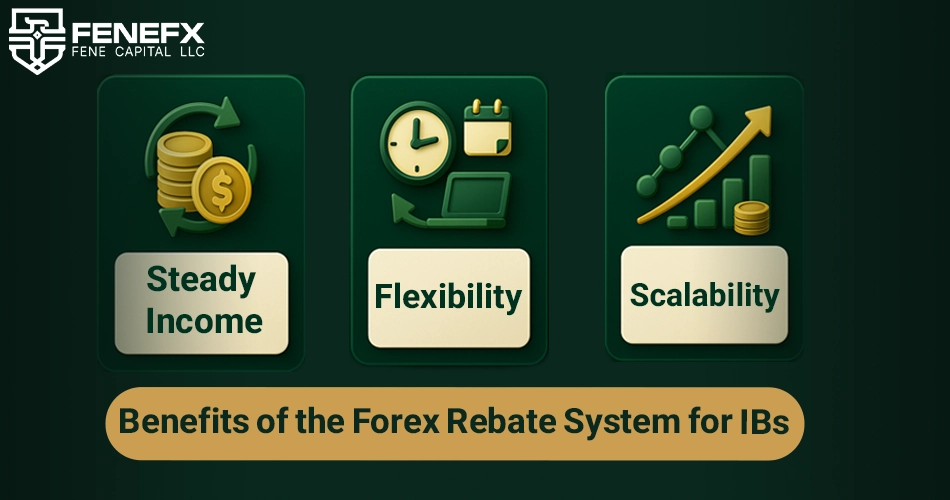
Benefits of the Forex Rebate System for IBs
The Forex rebate system offers several advantages for Forex Introducing Brokers (IBs):
Steady Income
By attracting loyal and active clients in Forex trading, IBs can earn ongoing income through the broker’s rebate system.
Flexibility
Working as a Forex IB does not require significant initial capital, and individuals can operate in this field with flexible working hours.
Scalability
By expanding their client network and recruiting more sub affiliates, IBs can significantly increase their income over time.
How to Receive a Rebate?
To benefit from Forex rebates, you must register with a Forex broker that offers a rebate program. Many brokers provide such programs, and their conditions may vary. Some brokers offer a fixed rebate per traded lot, while others calculate rebates as a percentage based on your total trading volume.
Practical Examples of the Rebate Process in Forex Brokers
Suppose you register with a broker that offers a $1 rebate for each traded lot. You execute 10 lots of EUR/USD trades in a day (5 lots buy and 5 lots sell). Based on this, you would receive a total rebate of $10 for those 10 lots traded.
In another example, a broker may pay rebates as a percentage of the spread based on your monthly trading volume. Let’s say your total trading volume in a particular month is 100 lots, and the broker offers 20% of the spread as a rebate. In this case, your rebate amount would be calculated based on the average spread of that month’s trades.
Why Is There Ambiguity About the Legality of Forex Rebates?
The main issue surrounding the ambiguity of the legality of rebates relates to the nature of the spread and how it is formed. The spread is the difference between the bid and ask price of a currency pair, from which the Forex broker earns revenue. In essence, the spread serves as compensation for the broker’s services. Now, when a broker returns part of the spread to the trader as a rebate, the question arises: does this practice affect the quality of the broker’s services?
On the other hand, some financial regulatory bodies have raised concerns about the potential misuse of the rebate system to mislead or exploit inexperienced traders. The concern stems from the fact that less reputable brokers might offer extremely high rebates to lure traders into excessive and unnecessary trading, which could ultimately result in losses for the traders.
Legal Status of Rebates in Different Countries
The laws and regulations regarding Forex rebates vary from country to country. Some countries have completely banned the use of rebate systems. In others, financial regulatory bodies have issued specific guidelines for brokers who offer rebate programs. These guidelines may include aspects such as the allowable rebate amount, transparency in how rebates are calculated, and the requirement to provide traders with sufficient information about the nature and risks associated with rebates.
While the use of Forex rebates is permitted in many countries, it is always recommended that you consider the following before registering with a broker and participating in a rebate program:
Broker Credibility
Ensure that the broker you choose is reputable and regulated by a recognized financial authority.
Rebate Program Transparency
Carefully review the terms and conditions of the rebate program. How is the rebate amount calculated? Are there any restrictions or limits on rebate eligibility?
Additional Costs
Be aware of other costs related to Forex trading, such as commissions and overnight fees (swap).
Rebates represent only a portion of the trading costs.
Analysis of the Advantages and Disadvantages of Rebates for Forex Traders
Continuing the discussion on Forex rebates, this section explores the benefits and drawbacks of the rebate system for traders.
Advantages of Receiving Rebates in Forex Trading
Reduction in Trading Costs
Rebates directly reduce your trading costs, ultimately increasing your potential profitability. This is particularly valuable for active traders with high trading volumes.
Incentive for Increased Trading Activity
Rebate programs can serve as motivation for active traders to increase their trading volume, thereby earning more rebates. This can support the trader’s growth and development in the long term.
Greater Flexibility
Some brokers allow you to receive your rebate either as cash or as trading credit added to your account. This flexibility enables you to use your rebate in a way that best suits your trading strategy.
Access to Additional Benefits
Some brokers offer additional perks to traders who participate in their rebate programs, such as free educational resources, advanced analytical tools, and dedicated customer support services.
Examining the Potential Disadvantages and Limitations of Forex Rebates
Despite the numerous benefits Forex rebates offer to traders, it is important to note that this system also has certain drawbacks that should be considered before using it:
Complex Terms and Conditions
Rebate programs from different brokers may come with varying terms and conditions. In some cases, you may be required to meet specific trading volume thresholds or fulfill other criteria to qualify for the rebate. It is essential to carefully read and understand the terms before enrolling in any rebate program.
Impact on Trading Strategy
At times, excessive focus on earning rebates may push traders toward unnecessary or unsuitable trades. This can ultimately lead to losses and may divert a trader from their original strategy and risk management plan.
Limited to Specific Brokers
Rebate programs are only offered by certain brokers and are not available across the entire Forex market. Before choosing a broker, make sure they offer a rebate program if that is important to your trading plan.
No Guarantee of Profitability
Rebates alone do not guarantee profitable trading. Success in Forex trading depends on multiple factors, including your skill, knowledge, and experience.
Ultimately, the decision to use Forex rebates lies with each individual trader. By weighing the advantages and disadvantages of the rebate system and carefully reviewing the terms and conditions offered by different brokers, you can make an informed choice about whether or not to incorporate rebates into your trading approach.
Benefits of the Forex Rebate System for Brokers
While Forex rebates may seem beneficial only to traders, this system also offers significant advantages for brokers. Let’s take a look at some of these key benefits:
Client Acquisition and Retention
Offering a rebate program can be a powerful marketing tool for attracting new clients and encouraging them to register with your brokerage. Additionally, by rewarding active traders through rebates, brokers can increase client loyalty and reduce the risk of traders moving to competing firms.
Increased Trading Volume
Rebate programs often encourage traders to execute more trades. This leads to a higher overall trading volume on the broker’s platform, which in turn boosts the broker’s revenue through spreads and commissions.
Competitive Differentiation
In the highly competitive Forex market, having an attractive and well structured rebate program can help distinguish your brokerage from competitors. A competitive rebate offering can attract attention and increase your market share.
Identifying and Nurturing Active Traders
Rebate programs allow brokers to identify high volume and active traders. By offering these clients enhanced services and personalized support, a broker can benefit from their expertise and long term loyalty.
Improved Liquidity
The rise in trading volume driven by rebates contributes to improved liquidity on the broker’s platform. Higher liquidity facilitates smoother trade execution and reduces the risk of slippage for all traders.
Creating a Dynamic Trading Community
A rebate program can help foster a dynamic and engaged trading community within the brokerage. Bringing together traders with varying levels of experience and skill creates a supportive and educational environment that benefits all participants.
It is important to note that the successful implementation of a rebate program requires a well planned strategy and careful risk management by the brokerage. Nonetheless, the advantages outlined above show that rebates can serve as a powerful win win tool, offering value to both traders and brokers.
Applications and Uses of Rebates in Forex Trading
As mentioned earlier, Forex rebates have various practical benefits for traders. Below are some of the most important applications and use cases of rebates in Forex trading:
Reduction of Trading Costs
Rebates directly lower your trading expenses, which in turn increases your potential profitability. This is especially valuable for active traders who operate with high trading volumes.
Offsetting Spread Costs
Rebates can compensate for a significant portion of the spread you pay, thereby improving the overall profitability of your trades.
Earning Additional Profit
Rebates can be viewed as an extra source of income. By receiving rebates, you can boost your returns without having to increase your trading volume or take on additional risk.
Using Rebates as Trading Credit
Some brokers allow you to apply your rebate as trading credit to your account. This can increase your purchasing power and enable you to place larger trades or maintain higher margin levels.
Offsetting Trading Losses
In some cases, rebates can help offset your trading losses. This can be particularly useful in unsuccessful trades.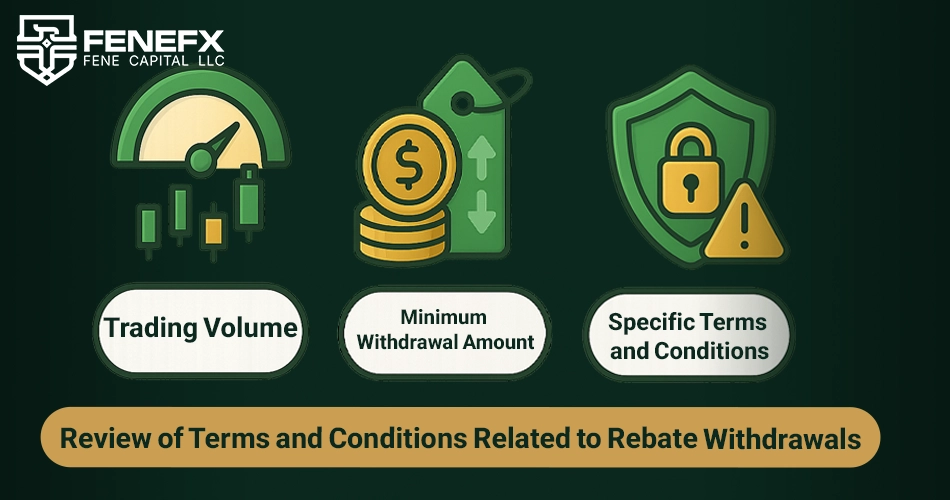
Review of Terms and Conditions Related to Rebate Withdrawals
The terms and conditions for withdrawing rebates can vary from one broker to another. However, in general, you should pay attention to the following factors when it comes to rebate withdrawals:
Trading Volume
In many cases, to be eligible for a rebate withdrawal, you must reach a specific trading volume within a defined time period. This volume requirement may be set on a monthly, quarterly, or annual basis.
Minimum Withdrawal Amount
Some brokers set a minimum amount that must be accumulated before a rebate can be withdrawn. This amount may be specified in local currency or in US dollars.
Specific Terms and Conditions
Certain brokers may impose specific rules for withdrawing rebates, such as restrictions on withdrawals if a particular trading platform is used, or prohibiting withdrawals before the expiration of a defined time period.
Final Summary
Forex rebate can be a valuable tool for traders provided it is used correctly. When choosing a broker and rebate program, you should carefully consider both the advantages and disadvantages of the system, as well as its specific terms and conditions.
We recommend MondFx Broker, which offers exclusive benefits for IBs. Through its rebate system, you can achieve significant earnings.
Frequently Asked Questions
1. What is Forex Rebate?
A Forex rebate is a portion of the spread that a Forex broker earns when a trade is executed, which is then returned to the trader. It is considered a type of reward for your trading activity.
2. How can I receive a rebate?
To benefit from Forex rebates, you must register with a broker that offers a rebate program. Many brokers offer such programs, though their terms and conditions may vary.
3. What are the benefits of using Forex rebates?
Forex rebates provide multiple advantages to traders, including:
• Reduction in trading costs
• Encouragement to trade more actively
• Greater flexibility
• Access to additional benefits
4. What should I consider when choosing a broker and rebate program?
When selecting a broker and rebate program, pay attention to the following:
• Terms and conditions of the rebate program
• Broker credibility
• Feedback and reviews from other traders
5. How can I withdraw my rebate?
The terms for rebate withdrawal may differ among brokers. However, generally you should consider:
• Required trading volume
• Minimum withdrawal amount
• Specific terms and restrictions
Final Conclusion
Forex rebates can be a useful tool for traders if used wisely. When choosing a broker and rebate program, it’s essential to assess the pros and cons and thoroughly review the associated terms and conditions.
Comments
Rebates are fine, just don't let them change your trading. I've seen people overtrade purely to farm rebates and lose 10x the rebate value on bad entries. The math only works if your strategy stays the same.
Had no idea brokers even paid part of the spread back. Thanks for explaining where the money actually comes from, I was sure it was a scam before reading this.
Signed up through a rebate service last year and it quietly paid back a decent chunk of my spread costs. Not life changing, but free money is free money.
Do rebates actually change anything for a low-frequency swing trader, or is this only meaningful for scalpers doing dozens of trades a day?
Didn't expect much from this topic but it was genuinely useful.