

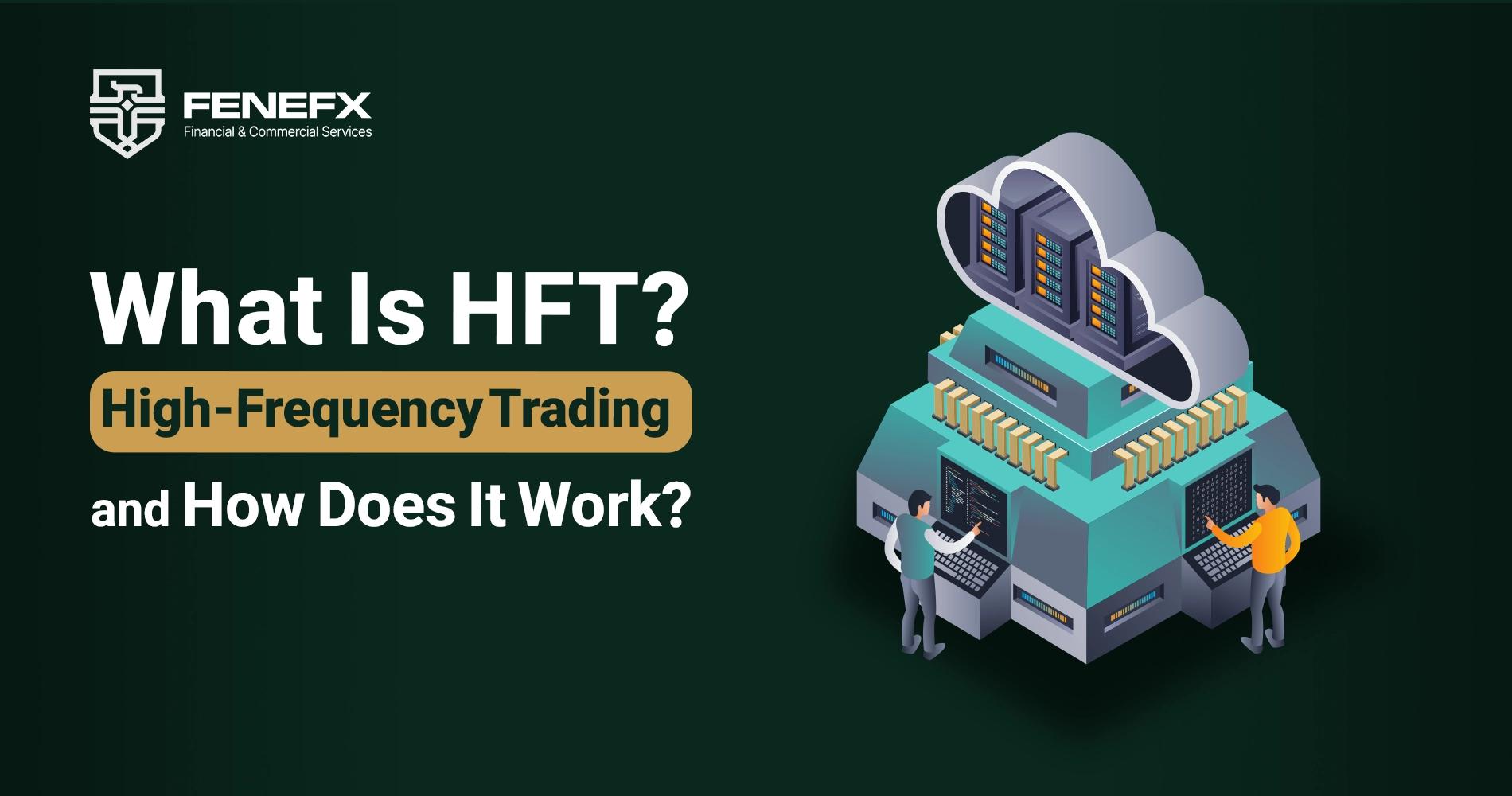
What is High Frequency Trading (HFT)?
In today’s financial markets, speed and precision in order execution have become the main differentiators between success and failure. High Frequency Trading (HFT), relying on complex algorithms, artificial intelligence, and low latency infrastructure, is capable of executing thousands of trades within a fraction of a second and providing market liquidity. According to the latest estimates, the global HFT market was valued at approximately $20.9 billion in 2023 and is expected to grow at a compound annual growth rate (CAGR) of 15.1% to exceed $74.3 billion by 2032. In the U.S. stock market, HFT accounts for nearly half of the total trading volume. For instance, Citadel Securities earned over $1.7 billion in profit through HFT in the first quarter of 2025 alone and executed about 20% of all U.S. equity trades.
High Frequency Trading, or HFT, is a form of algorithmic trading based on advanced software and low latency infrastructure, capable of executing thousands of buy and sell orders in a fraction of a second. This technology enables the capture of small price discrepancies and provides market liquidity. The global HFT market was valued at nearly $20.9 billion in 2023 and is projected to surpass $74 billion by 2032, growing at a compound annual rate of approximately 15%. In the U.S. stock market as well, HFT holds nearly 50 percent of the total trading volume.
History and Key Developments
The origins of HFT date back to the early 2000s, when increased computer processing speeds and the development of trading software enabled the automation of order submissions. A major turning point in this trajectory was the “Flash Crash” of May 2010, during which the U.S. stock market plunged by over 1,000 points within 36 minutes before rapidly rebounding. This crisis demonstrated that the complex interaction of algorithms could trigger momentary market instability.
Technology Infrastructure
To minimize latency in sending and receiving data, HFT firms utilize Direct Market Access (DMA) and colocate their servers in exchange data centers. Parallel processing through FPGA and GPU technologies allows for the real time analysis of massive volumes of price and trade data. This technological combination reduces response times to milliseconds and enables exploitation of microscopic price fluctuations.
Core Algorithms and Strategies
HFT algorithms are designed based on mathematical models and machine learning to identify price patterns and arbitrage opportunities within fractions of a second. The “market making” strategy is used to place simultaneous buy and sell orders and profit from bid ask spreads, while arbitrage strategies seek profits by exploiting small price differences across various markets. Techniques such as statistical arbitrage also establish automated position trades by analyzing historical asset correlations.
How High Frequency Trading (HFT) Works
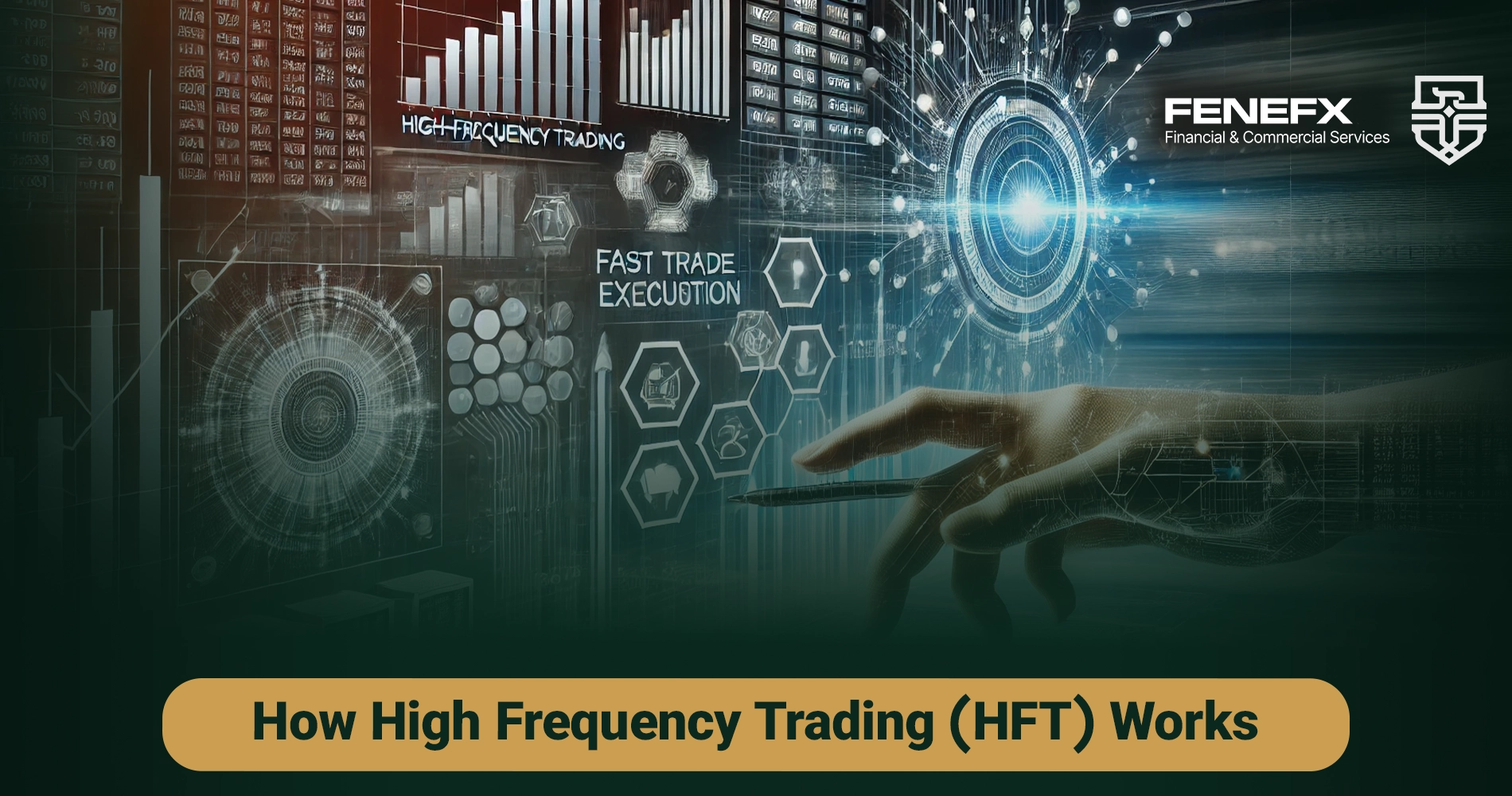
High Frequency Trading (HFT) is built upon specialized software and low latency hardware. The algorithms in these systems continuously analyze large volumes of real time market data prices, trading volumes, and related indicators and instantly make buy or sell decisions. To minimize latency even further, HFT firms colocate their servers near exchange data centers and use Direct Market Access (DMA) to submit orders directly to the exchange’s trading system without intermediaries.
Speed and Trade Volume
In HFT, responses to price changes occur in fractions of a second fast enough to capture arbitrage opportunities or microscopic price differences across multiple markets simultaneously. By sending thousands of small orders every second, HFT not only generates small profits from each trade but also helps provide market liquidity. This massive volume of orders improves market depth and reduces trading spreads.
Key Strategies
The market making algorithm in HFT places simultaneous buy and sell orders to profit from the bid ask spread while enhancing market liquidity. The arbitrage method identifies minor price discrepancies across different exchanges to rapidly open and close positions. More sophisticated techniques such as statistical arbitrage analyze historical price patterns and correlations to automatically enter short term positions.
Impacts and Controversies Around HFT
On one hand, HFT enhances market efficiency by increasing liquidity and reducing transaction costs. On the other, sudden market fluctuations such as the 2010 Flash Crash have raised concerns about the potential for amplified momentary instability. Moreover, the heavy investment required in infrastructure and the technological gap between large firms and retail traders have sparked debates about fair access to markets.
Nevertheless, HFT continues to push the boundaries of innovation in financial markets, leveraging technologies like artificial intelligence and parallel processing to enable well equipped participants to capitalize on even the smallest price opportunities.
Advantages and Disadvantages of High Frequency Trading
High frequency trading significantly increases order execution speed by enhancing liquidity and reducing spreads, thereby improving market efficiency. At the same time, the concentration of capital and technology in the hands of large firms can intensify momentary market instability and deprive retail traders of fair competition.
| Advantages | Disadvantages |
| Increased liquidity and reduced spreads | Elimination of human decision making |
| Continuous presence of orders and tighter spreads help reduce transaction costs. | Decisions are made by strict algorithmic execution, which may respond poorly to unexpected volatility. |
| Ultra fast execution speed | Ephemeral liquidity |
| The ability to send and cancel thousands of orders per second helps capture micro price opportunities. | Orders may be canceled before full execution, creating a false sense of market depth. |
| Improved market efficiency and price discovery | Reinforcement of large firms’ dominance |
| Automation of trades and rapid response to new information enhances overall market efficiency. | Heavy investment in HFT infrastructure makes equal access difficult for retail traders. |
Advantages
Improved Market Liquidity
High Frequency Trading (HFT) plays a crucial role in enhancing market liquidity. Liquidity refers to the ability to quickly buy or sell assets without causing significant price changes. HFT ensures the constant presence of buy and sell orders in the market by executing a high volume of trades within fractions of a second. This results in a dynamic market where active buyers and sellers are always present, reducing the waiting time for trade execution.
Improved liquidity is especially important in large and complex markets. High liquidity allows investors to enter trades with greater confidence, knowing that they can quickly exit their positions if needed. It also reduces the risk associated with holding assets and makes markets more attractive to investors.
Reduced Bid Ask Spreads
Another key advantage of HFT is the reduction of bid ask spreads. The spread is the difference between the highest price a buyer is willing to pay and the lowest price a seller is willing to accept. In low liquidity markets, these spreads can be wide, increasing transaction costs for investors.
HFT contributes to narrowing these spreads by continuously providing buy and sell orders in the market. When HFT algorithms actively participate, the volume of orders significantly increases, leading to a decrease in the gap between bid and ask prices. Tighter spreads mean lower transaction costs for investors, which can enhance overall profitability.
Reduced spreads also contribute to better price efficiency in the market. Prices react quickly to new information and more accurately reflect the true value of assets. This helps investors make more informed decisions and better exploit available opportunities.
Ultimately, HFT contributes to creating a more efficient and transparent market by improving liquidity and reducing spreads. These advantages benefit not only professional traders and investors but also the market as a whole. However, there are still ongoing debates about the potential negative impacts of HFT on market stability and the possibility of abuse by large firms. Nonetheless, the positive role of HFT in improving liquidity and reducing trading costs cannot be ignored. These factors have led to HFT being recognized as one of the major innovations in modern finance.
Disadvantages
Elimination of Human Decision Making
One major disadvantage of High Frequency Trading (HFT) is the removal of human judgment from the decision making process. In HFT, complex algorithms and computer programs replace human analysis and discretion. This means trading decisions are made in fractions of a second based on predefined data and patterns,without sufficient room for human intervention and evaluation
This lack of human oversight can lead to problems, especially during times of sudden market volatility. Algorithms may fail to respond appropriately to unexpected changes, potentially triggering severe market fluctuations. A clear example is the 2010 “Flash Crash,” where the inability of algorithms to handle abnormal conditions led to a rapid and severe drop in market indices.
Ephemeral Liquidity and Related Criticisms
Another major criticism of HFT is the creation of ephemeral, or fleeting, liquidity. Ephemeral liquidity refers to the temporary presence of buy and sell orders that disappear quickly. This can create an illusion of market stability and depth, while in reality, investors may not be able to capitalize on that liquidity.
This condition poses challenges for investors attempting to execute large trades, as HFT orders may be canceled shortly after entering the market. It can increase volatility and reduce investor confidence in market integrity.
Critics also argue that HFT primarily benefits large firms and institutional investors, while retail traders and smaller investors are unable to take advantage of HFT's speed and volume. This imbalance can contribute to perceptions of inequality and mistrust in the market.
Moreover, some opponents of HFT claim it may lead to opportunistic or even illegal behaviors, such as “spoofing” and “layering,” where fake orders are placed to manipulate market prices.
In conclusion, while HFT represents a technological innovation in the financial world, it still faces significant challenges and criticisms. The elimination of human decision making and the presence of fleeting liquidity are key concerns that require careful consideration by regulators and policymakers to ensure that this technology serves financial markets fairly and sustainably.
The Impacts of HFT on Financial Markets
High frequency trading (HFT), by rapidly submitting and canceling thousands of orders per second, can exacerbate short term volatility; algorithms respond quickly to price changes, and the continuous cycle of order placement and cancellation (order book “pinging”) causes prices to fluctuate within milliseconds sometimes in ways that prevent retail investors from making decisions based on real data. At the same time, this massive volume of trading increases liquidity and reduces spreads, but if algorithms react simultaneously or malfunction, unusual and unexpected movements can occur such as the sharp drop and quick recovery during the 2010 Flash Crash.
Following this event and other extreme fluctuations, market regulators implemented rules to limit the repetition of order placement–cancellation cycles and mandated minimum holding times for orders. These regulatory frameworks are designed to strike a balance between benefiting from liquidity and reducing instability risks, as HFT can simultaneously enhance market efficiency and increase susceptibility to sudden disruptions.
Key Technologies in High Frequency Trading
HFT algorithms, with the help of artificial intelligence (AI), are capable of analyzing massive volumes of market data prices, trading volumes, and various indicators in real time and detecting hidden patterns. Machine learning models enable the prediction of short term price movements and the identification of arbitrage opportunities. Simultaneously, cloud infrastructures allow traders to seamlessly adjust their computing and storage resources to market fluctuations in fractions of a second. The combination of AI and cloud computing maximizes processing speed and market responsiveness while reducing hardware maintenance costs.
Ethical and Legal Challenges in HFT
From a fairness perspective, the access of large traders to co-location servers and advanced technologies significantly enhances their advantage, creating a sense of inequality among retail investors. Some tactics such as “spoofing” or “layering” are recognized as market manipulation behaviors and call the transparency of trading into question. To protect small investors, financial regulators have strengthened anti manipulation laws and imposed limits on the number of order cancellations per second. These regulatory measures aim to maintain a balance between leveraging added liquidity and preventing the misuse of technological power.
How to Enter High Frequency Trading (HFT)
Entering the world of high frequency trading (HFT) requires thorough preparation and a deep understanding of both technology and financial markets. Below are several key points and initial guidelines for getting started:
Deep Understanding of Financial Markets
Before stepping into HFT, you must be familiar with the fundamentals of financial markets. This includes understanding market structure, how orders function, and the factors influencing prices. Studying finance and economics and gaining hands on trading experience can be highly beneficial.
Mastery of Technology and Algorithms
HFT heavily relies on advanced technology and complex algorithms. To enter this field, proficiency in programming languages such as Python, C++, or Java is essential. Additionally, understanding algorithmic concepts and the ability to develop and test trading algorithms are crucial.
Investment in Technological Infrastructure
Success in HFT depends on access to high performance hardware and software. This includes high speed servers, direct market access (DMA), and fast data processing technologies. Investing in IT infrastructure improves the speed and accuracy of trades.
Data Analysis and Risk Management
The ability to quickly and accurately analyze market data and manage risk is vital in HFT. Utilizing data analysis tools and machine learning can help identify patterns and profitable opportunities. Moreover, appropriate risk management strategies should be designed to mitigate potential losses.
Familiarity with Regulations
HFT operates under strict regulatory oversight. Understanding and complying with the rules and regulations related to algorithmic trading is essential. This includes necessary registrations and licenses, as well as adherence to ethical and legal standards.
Start with Simple Strategies
Initially, start with simple and well tested trading strategies. These may include arbitrage or mean reversion strategies. As you gain experience and a deeper understanding of the market, you can gradually develop more complex strategies.
Networking and Continuous Learning
Building a network with professionals and companies in the HFT space can provide access to valuable resources and insights. Additionally, due to the rapid advancement of technology and market dynamics, continuous learning and staying updated is of great importance.
By following these guidelines and preparing appropriately, you can step into the complex and exciting world of high frequency trading and take advantage of the opportunities it offers.
Comments
Complicated topic handled really well here.
Is there any realistic way for a retail trader to benefit from HFT-style logic, or is it strictly an institutional game? Follow-up idea maybe.
Worth clarifying: retail traders don't really compete with HFT, we operate on completely different timescales. Their liquidity actually tightens our spreads. The 'HFT is stealing from you' narrative is mostly overblown.
Visited a friend who works at a trading firm and saw their server racks sitting right next to the exchange. After reading this, it finally makes sense why that proximity is worth millions.
Always heard HFT blamed for everything on trading forums without knowing what it was. The microseconds and colocation stuff blew my mind a bit, thanks for the plain-English version.