

What is Margin in Simple Terms: a Complete Guide for Beginners
Margin in the Forex market is one of the key concepts that every trader must thoroughly understand. Margin is a form of collateral deposited by the trader with the broker to open a trade larger than their actual capital. This collateral assures the broker that the trader is capable of covering potential losses resulting from market fluctuations. Contrary to popular belief, margin is not a transaction cost but rather a prepayment to keep trading positions open.
How Does Margin Work in Forex?
When a trader decides to open a position in the Forex market, they only need to deposit a percentage of the total trade value as margin. This percentage, known as the margin rate, varies depending on the broker and the currency pair involved. For example, in the UK, the margin rate for major currency pairs typically starts at around 3.3%.
For instance, if a trader wants to open a position worth $100,000 and the broker applies a 3.3% margin rate, the trader only needs to deposit $3,300 as margin. This allows the trader to trade on leverage with a smaller amount of capital and potentially profit from small market movements.
One of the major advantages of trading with margin is the ability to earn greater profits with less capital. However, this approach can also amplify losses to the same extent. Therefore, proper margin management and awareness of the associated risks are absolutely critical.
A deep understanding of the concept of margin and how it works in the Forex market is essential for every trader. This knowledge helps traders enter the market with full awareness and develop appropriate strategies for risk management. When used correctly, margin can become a powerful tool on the path to success in the Forex market.
The Difference Between Margin and Leverage
Margin and leverage are two fundamental concepts in Forex trading that many beginner traders often confuse. However, these two terms have important differences, and understanding them is crucial for successful trading.
Margin refers to the amount of money a trader must deposit as collateral with their broker in order to open a trading position. This amount acts as a guarantee to cover potential losses. Simply put, margin is the money a trader needs to have in their account in order to use leverage.
Leverage, on the other hand, allows a trader to enter the market with significantly less capital than the actual value of the trade. Leverage is the ratio between the trader's actual capital and the amount they can trade with. For example, if the leverage is 30:1, a trader can open a position worth $30 using just $1.
Leverage enables traders to earn higher profits with lower investment, but it also increases the risk of larger losses. Therefore, using leverage requires a high level of caution and skill. Traders must practice careful risk management and use stop loss orders to avoid heavy losses.
Why Is Margin Important in Forex Trading?
Margin is one of the fundamental pillars of Forex trading and plays a key role in a trader’s ability to open larger positions. Its importance lies in the following reasons:
Increased Buying Power:
Margin allows traders to open larger positions in the market with less capital. This enables them to profit from small changes in exchange rates.
Risk Management:
Margin acts as a risk management tool. By setting margin requirements, brokers ensure that traders have the ability to cover potential losses. This helps reduce systemic risk in the market.
Greater Flexibility:
Margin provides traders with the ability to use leverage and implement more diverse trading strategies. This flexibility can help improve investment returns.
Capital Preservation:
By using margin, traders can preserve their capital for other opportunities and only allocate a portion of their funds as collateral.
Despite its many advantages, margin requires awareness and proper management. Misusing margin can lead to heavy losses. Therefore, traders should approach margin trading with caution and always use risk management tools.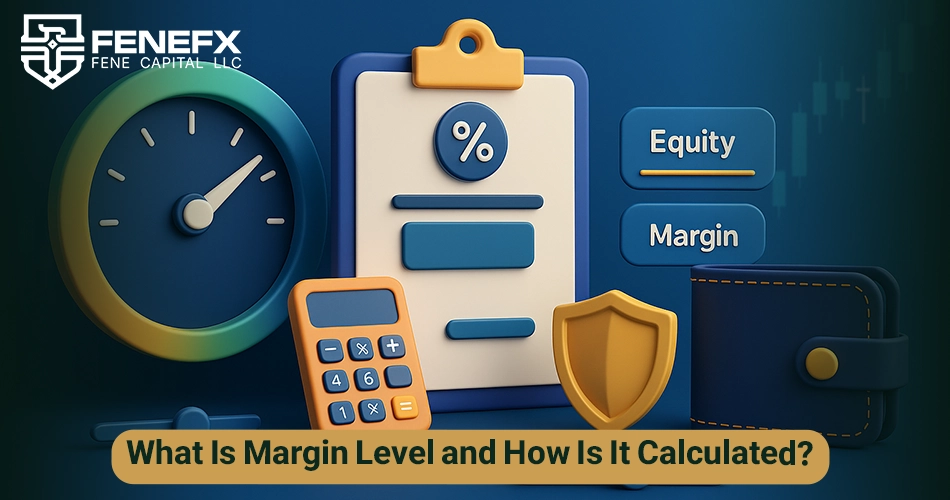
What Is Margin Level and How Is It Calculated?
Margin level is one of the key indicators in Forex trading that shows the safety level of your trading account. It helps you understand how much of your capital is being held as collateral for open trades and how much is available for new positions.
Margin Level Calculation:
Margin level is calculated as a percentage using the following formula:
100 * (Equity / Used Margin) = Margin Level
- Equity:The total balance of your account plus or minus the profit or loss of open trades.
- Used Margin:The total margin currently being used to keep open trades.
Example:
If you have $10,000 in your account and $2,500 is being used as margin, your margin level would be 400. A higher margin level indicates a safer account. When the margin level reaches 100%, it means all of your margin is in use, and you cannot open new trades.
Examples of Margin Trading
To better understand the concept of margin, let’s look at a few practical examples of margin trading:
Example 1: Buying a Currency with Margin
Suppose you want to buy €100,000 (EUR/USD), and your broker applies a 3.3% margin. For this trade, you need to deposit $3,300 as margin.
If the price of the euro rises against the dollar, you can make a profit. For example, if the price increases by 1%, your profit might be $1,000.
However, if the price drops, your loss will increase proportionally.
Example 2: Selling a Currency with Margin
In this example, you believe the price of GBP/USD will fall and want to sell £50,000. With a 2% margin, you need to deposit £1,000.
If your prediction is correct and the price drops, you can buy the currency back at a lower price and make a profit.
But if the price rises, you may incur a loss.
Margin and Risk Management:
In both examples, using risk management tools such as a Stop Loss is essential. These tools help you limit your losses in the event of unexpected market movements and avoid a margin call.
Ultimately, margin level and the use of margin in Forex trading are powerful tools that, when managed properly, can increase profitability. However, without proper risk management, they can also lead to significant losses. Therefore, always use these tools with caution and full awareness.
What Is a Margin Call and Why Should It Be Avoided?
A margin call is a situation in Forex trading that occurs when your margin level falls below a certain threshold. In this case, your broker will request that you deposit additional funds into your account or close some of your open positions. This request is made to maintain the required margin to support your open trades.
Why Does a Margin Call Occur?
A margin call happens when your losses reduce your equity to the point where your margin level falls below the minimum level set by your broker. Common factors that can lead to a margin call include:
- Market Volatility:Sudden and sharp market movements can generate significant losses.
- High Leverage:While high leverage can amplify profits, it also increases losses to the same extent.
- Lack of Risk Management Tools:Not using tools like stop loss orders can result in uncontrolled losses.
Why Should You Avoid a Call Margin?
Avoiding a margin call is crucial for preserving your capital and preventing unexpected losses. The main reasons to avoid a margin call include:
- Capital Preservation:A margin call can result in the rapid loss of your capital. Avoiding it helps protect your funds.
- Avoiding Forced Liquidation:If a margin call occurs, your broker may forcibly close your positions, potentially causing further losses.
- Better Risk Management:Preventing a margin call allows you to manage your risks more effectively and improve your trading strategies.
How to Avoid a Margin Call
To avoid a margin call, consider the following actions:
- Capital Management:Always use a reasonable portion of your capital as margin and avoid excessive leverage.
- Use Stop Loss Orders:Setting stop loss levels in your trades can help minimize losses and prevent margin calls.
- Monitor the Market Regularly:By continuously observing the market and your positions, you can act in time to prevent large losses.
- Increase Account Equity:If you are at risk of a margin call, adding more funds to your account can help restore your margin level.
A margin call is one of the most critical concepts that traders need to be aware of. Understanding this concept and adopting proper strategies to avoid it can help preserve your capital and increase your chances of success in trading. With proper risk management and the use of available tools, you can prevent margin calls and make the most of your investments.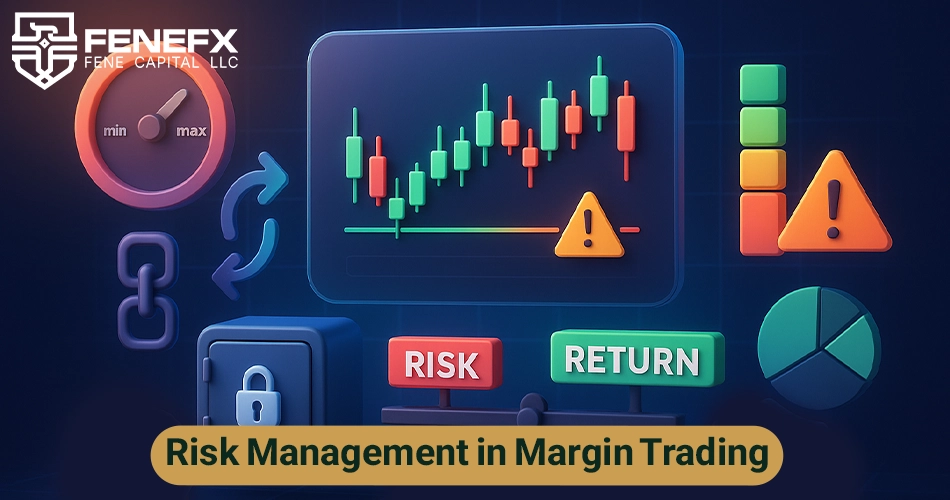
Risk Management in Margin Trading
Risk management in margin trading is one of the most critical aspects of preserving and growing capital in financial markets. Margin trading allows you to control larger positions with less capital, but it also increases the potential risk of loss. Therefore, proper risk management is essential.
Risk Management Strategies
Setting a Stop Loss:
Using a stop loss order can limit potential losses. By defining a clear exit point, you can avoid heavy losses in unfavorable market conditions.
Diversifying Your Investment Portfolio:
Diversification reduces overall risk by spreading investments across various assets rather than concentrating on a few.
Using Appropriate Leverage:
Choosing the right leverage according to your risk tolerance is crucial. While high leverage can amplify profits, it can also lead to significant losses.
Continuous Market Monitoring:
Regularly monitoring the market and analyzing trends allows you to make informed decisions and avoid unexpected losses.
Maintaining Adequate Capital:
Always ensure you have enough capital in your account to withstand market fluctuations and avoid margin calls.
Using a Margin Calculator to Optimize Trades
A margin calculator is a tool that helps traders determine the required margin to open and maintain a trading position. This tool allows you to assess your capital needs and risk level before entering a trade.
Benefits of Using a Margin Calculator
Better Planning:
Knowing the exact margin required enables you to plan your trades more effectively and avoid margin calls.
Risk Management:
A margin calculator helps you manage your risk more efficiently and make more informed decisions.
Trade Size Optimization:
By using this tool, you can optimize your position sizes and avoid overusing your capital.
Profit and Loss Forecasting:
Accurately calculating margin allows you to estimate potential profits and losses and develop suitable strategies.
How to Use a Margin Calculator
To use a margin calculator, you need to input specific information such as thecurrency pair being traded, thetrade size (in lots), and theleverage ratio. The calculator will then compute therequired marginfor your trade. This information helps you make better decisions about whether or not to enter a trade.
Risk management in margin trading and the use of a margin calculator are two essential tools for success in financial markets. With proper risk management and efficient use of a margin calculator, you can make the most of your capital and improve the profitability of your trades.
These strategies empower you to trade in the Forex market with greater confidence and help you avoid potential losses.
Advantages and Disadvantages of Using Margin in Forex
Using margin in Forex allows traders to control larger trading positions with less capital. This method has both advantages and disadvantages, which traders must fully understand in order to use it effectively.
Advantages of Using Margin
1) Increased Buying Power:
Margin allows traders to enter larger trades with a smaller initial investment. This enables them to profit from even small market movements.
2) Potential for Higher Profits:
The leverage provided by margin can significantly increase potential returns. With less capital, traders can achieve profits that would not be possible without margin.
3) Diversification of Trading Strategies:
Margin enables traders to explore a wider range of trading strategies and take advantage of multiple market opportunities.
4) Improved Liquidity:
By only tying up a portion of their capital as collateral, traders can keep the rest of their funds available for other trades, enhancing overall liquidity.
Disadvantages of Using Margin
1) High Risk of Loss:
Just as margin can amplify profits, it can also magnify losses. If the market moves against the trader’s position, significant losses can occur.
2) Margin Call:
Improper use of margin can lead to a margin call, where the trader is required to deposit additional funds or close positions to maintain the required margin level.
3) Psychological Pressure:
Margin trading can create intense psychological stress, as traders must constantly monitor the market and their account to avoid a margin call.
4) Additional Costs:
Some brokers charge fees for using margin, such as overnight interest (swap fees), which can increase overall trading costs.
Using margin in Forex can offer numerous profit opportunities, but it also comes with significant risks. Traders should use this tool with caution and full awareness of its pros and cons. Proper education, sound risk management, and conservative strategies can help mitigate risks and improve trading performance.
Traders must always be prepared to adapt to changing market conditions and make informed decisions.
How to Practice Margin Trading Using a Demo Account
Using a demo account is one of the best ways to learn and practice margin trading in Forex. These accounts allow you to test your trading strategies and become familiar with market mechanisms without any financial risk.
Benefits of Using a Demo Account
1) No Financial Risk:
A demo account lets you practice in real market conditions without using real money. This helps you improve your skills without worrying about financial losses.
2) Familiarity with the Trading Platform:
Demo accounts allow you to explore the features and tools of the trading platform and learn how to use them effectively.
3) Testing Trading Strategies:
You can experiment with different trading strategies and determine which ones suit you best.
4) Managing Emotions:
Practicing in a demo account helps you manage your emotions while trading and teaches you how to react to various market situations.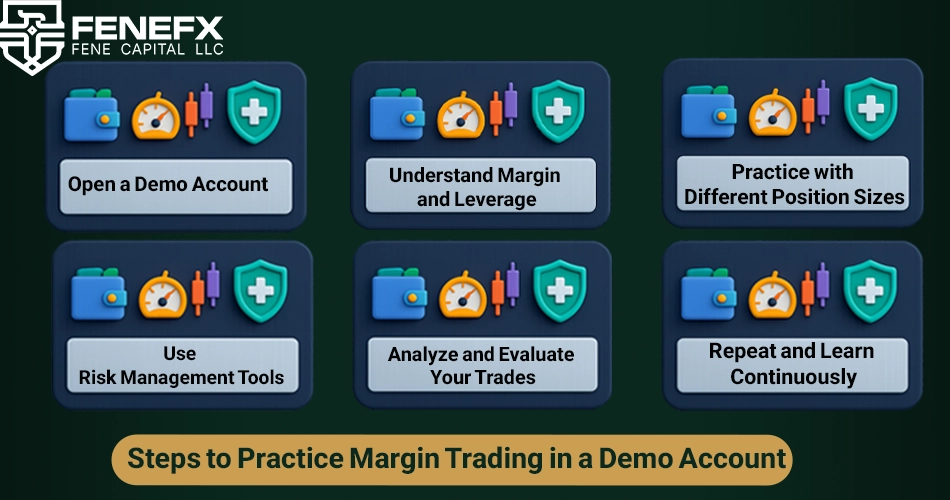
Steps to Practice Margin Trading in a Demo Account
1) Open a Demo Account:
Start by creating a demo account with a reputable trading platform. These accounts are usually free and come with virtual capital for practice.
2) Understand Margin and Leverage:
Before you begin trading, make sure you understand the concepts of margin and leverage. Learn how to calculate the required margin for each trade and how to use leverage effectively.
3) Practice with Different Position Sizes:
Try trading with various position sizes to see how you can manage risk. This helps you learn the optimal use of margin in different scenarios.
4) Use Risk Management Tools:
Always apply risk management tools likeStop LossandTake Profitorders. These tools help limit your losses and secure your profits.
5) Analyze and Evaluate Your Trades:
After each trade, review the outcome. Identify the factors that contributed to its success or failure. This analysis will help refine your strategies.
6) Repeat and Learn Continuously:
Success in margin trading requires ongoing practice and refinement. Continue learning and improving your strategies until you become a skilled trader.
Using a demo account is a powerful educational tool for beginner traders who want to improve their margin trading skills without financial risk. With consistent practice and smart use of this tool, you can gain a deeper understanding of the Forex market and perform more successfully in live trading.
Psychology of Trading with Margin
In Forex trading, psychology plays a crucial role in determining a trader’s success or failure. When using margin, this importance is magnified, as it brings both the potential for greater profits and the risk of significant losses. Understanding the psychological aspects of trading and managing emotions effectively can greatly enhance trading performance.
The Importance of Psychology in Margin Trading
1) Managing Stress and Anxiety:
Trading with margin can generate significant psychological pressure, especially when the market moves against your position. Learning stress management techniques such as focusing on your breath or practicing meditation can help reduce anxiety and maintain clarity.
2) Avoiding Emotional Decisions:
Emotional decision making can lead to major losses. Traders should rely on logical analysis and predefined strategies rather than reacting impulsively to market movements.
3) Setting Realistic Goals:
Traders should set achievable and realistic goals. This helps maintain focus on proper planning and disciplined execution rather than chasing unrealistic returns.
4) Accepting Losses and Learning from Them:
Losses are an inevitable part of trading. It’s essential for traders to accept them and treat each loss as a learning opportunity to make better decisions in the future.
Techniques to Improve Trading
1) Develop a Trading Plan:
Having a well defined trading plan including strategies, goals, and risk management rules helps reduce stress and adds structure to your trading.
2) Focus on the Process, Not Just the Outcome:
Instead of focusing only on profits or losses, concentrate on executing your trades properly. This mindset helps reduce psychological pressure and promotes consistent improvement.
3) Use a Trading Journal:
Recording your trades along with the emotions and thoughts surrounding each trade can help identify behavioral patterns and improve decision making.
4) Practice Mindfulness:
Mindfulness training increases awareness of your emotions and reactions, helping you avoid impulsive decisions and stay composed under pressure.
Trading psychologyis one of the key factors in achieving success in the Forex market, especially when trading on margin. Traders must pay special attention to managing emotions and cultivating a positive and disciplined mindset. Through consistent practice and psychological techniques, they can achieve a healthier balance between risk and reward and enhance their trading performance.
Frequently Asked Questions
What is Margin and How Does It Work?
Margin is collateral that a trader deposits with a broker in order to execute larger trades with less capital. This amount acts as a guarantee to cover potential losses.
What is the Difference Between Margin and Leverage?
Margin is the money deposited to open a trading position, while leverage allows the trader to control larger positions with a smaller amount of capital.
How Can Margin Calls Be Avoided?
Margin calls can be avoided through proper capital management, using stop loss orders, continuously monitoring the market, and increasing the account balance when necessary.
Comments
Decent guide. My tip: watch your margin level percentage, not just free margin. Keeping it above 500% has kept me out of trouble for years.
My first year I treated leverage like free money and got a margin call that wiped 40% overnight. Respect the margin requirements, seriously.
Can you cover margin call vs stop out levels next? I know brokers differ but a general rundown of the percentages would help.
Simple and clear, exactly as promised in the title.
Margin, leverage, free margin... I'd read five articles and stayed confused. Yours is the first where the numbers example actually made sense. Thank you!