

What Is a Central Bank Digital Currency (CBDC)?
With the rapid acceleration of developments in the fintech sector where the market value is expected to grow from $340.10 billion at the end of 2024 to $394.88 billion by the end of 2025, reflecting a compound annual growth rate of 16.2% and the total market capitalization of cryptocurrencies surpassing $4 trillion in July 2025, central banks, in response to the need for stability and competitiveness, have initiated CBDC projects in 72 countries, with another 35 countries in the exploration phase. A BIS survey shows that 94% of these central banks are engaged in research, and 14% are in the pilot phase. This development could, in addition to reducing transaction costs and facilitating cross border payments, enable more precise monitoring and management of financial flows but it also requires a coherent governance framework and guarantees of privacy protection.
Definition: What Is a Central Bank Digital Currency (CBDC)?
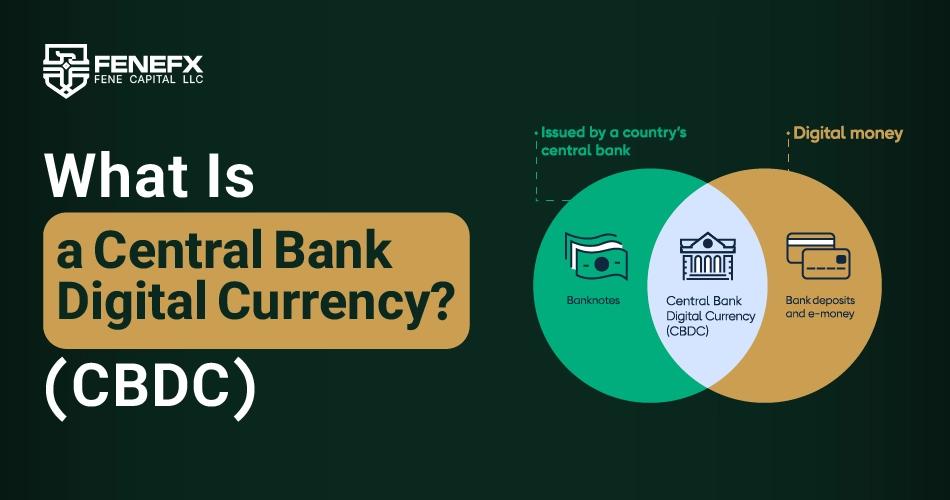
A Central Bank Digital Currency (CBDC) is a form of digital money issued directly by a country's central bank, with its value precisely pegged to the national currency unit (such as the rial, dollar, or euro). Unlike decentralized cryptocurrencies like Bitcoin, a CBDC is backed and directly supervised by the government, ensuring its value is stable and guaranteed.
Structure and Digital Functionality
This digital currency is entirely electronic and does not require the printing, distribution, or physical storage of cash and coins. Therefore, operational costs associated with the physical movement of money are significantly reduced. Fund transfers using CBDC, both domestically and across borders, are conducted much faster and at a lower cost, while the central bank can, through the use of appropriate technologies, maintain strict control over transactions. At the same time, certain designs also provide for partial user anonymity, helping preserve privacy to some extent.
Comparison with Decentralized Digital Currencies
The most important distinction between a CBDC and decentralized digital currencies lies in its centralized control and stable value. Decentralized currencies are not backed by any government and their value fluctuates based on market supply and demand. In contrast, a CBDC is fully regulated by the central bank, and its value consistently remains equal to the national currency. Furthermore, although some countries utilize blockchain technology for recording and verifying CBDC transactions, using blockchain is not mandatory, and in many cases, secure and centralized banking systems are capable of managing this digital currency effectively.
Position in the Digital Economy
Ultimately, the CBDC is positioned as a bridge between traditional money and modern financial technologies. It maintains public trust in the national currency while enabling the development of digital payment infrastructures, enhancing financial inclusion, and responding to the needs of the digital economy.
History and Development of CBDCs
The history of Central Bank Digital Currencies (CBDCs) dates back to recent years, when various countries began seeking solutions to improve their financial systems. With the emergence of new technologies such as blockchain and the increasing use of digital currencies, interest in CBDCs has grown significantly. Currently, over 114 countries are exploring or developing a CBDC. For example, in 2020, the Bahamas launched its first CBDC, named the “Sand Dollar.” The country aimed to increase financial inclusion and improve access to financial services for its citizens.
Countries Implementing and Researching CBDCs
Currently, three countries The Bahamas, Jamaica, and Nigeria have fully implemented their Central Bank Digital Currencies (CBDCs). Additionally, other nations such as China, India, and Russia are in the pilot phase of their CBDC initiatives. For example, China began testing the e-CNY in April 2020, and India launched the e-Rupee for trial in December 2022.
Moreover, the United States and many other countries are conducting research and feasibility studies on the implementation of CBDCs. For instance, the U.S. Federal Reserve is currently evaluating whether a CBDC could enhance the domestic payment system. This trend reflects growing global attention to CBDCs and their potential to transform financial and economic systems.
Key Features of Central Bank Digital Currency (CBDC)
As a digital version of a nation’s fiat currency, Central Bank Digital Currency (CBDC) possesses key features that distinguish it from other forms of money and digital assets. These features include government backing, security, and value stability, each of which is detailed below:
1) Government Backing
One of the most important features of CBDCs is that they are issued and backed by the country’s central bank. Unlike decentralized cryptocurrencies such as Bitcoin, which are not controlled by any institution, CBDCs are directly supervised and managed by the government and central bank. This government backing enhances public trust, as the value of the CBDC remains equal to the national fiat currency and is guaranteed by the state. In other words, the high price volatility typical of decentralized cryptocurrencies does not apply to CBDCs.
2) Security
Security is a top priority in the design and implementation of CBDCs. They typically use advanced technologies such as cryptography and secure digital infrastructures to protect transactions and user data. Unlike physical cash, which is unrecoverable if stolen, CBDCs can be traceable, with transactions monitored through the banking system. However, their design often includes mechanisms to preserve user privacy as much as possible.
3) Value Stability
Unlike decentralized digital currencies, which often experience high price volatility, CBDCs maintain stable value. This stability is due to their direct linkage to the national currency and central bank management. As a result, CBDCs are more suitable for daily transactions and for store of value.
Types of CBDCs
CBDCs come in different forms, as outlined below:
Retail CBDC
Retail CBDC is specifically designed for use by consumers and businesses. This type of CBDC can be divided into two categories:
- Token based Retail CBDC:
This form allows users to conduct anonymous transactions using private and public keys. It enables users to perform transactions without requiring identification.
- Account based Retail CBDC:
In this form, users must undergo digital identification to access their accounts. This method provides banks and financial institutions with greater oversight of transactions and offers higher security.
Features and applications of Retail CBDC include enhancing financial inclusion, reducing intermediary risks, and providing a secure and fast method for executing transactions. This type of CBDC can benefit individuals without access to traditional banking services by enabling them to store money and make payments.
Wholesale CBDC
Wholesale CBDC is specifically designed for use by financial institutions and banks. It is intended for large scale and non recurring transactions, allowing banks to efficiently carry out interbank settlements.
Features and applications of Wholesale CBDC include:
- Functionality similar to central bank reserves:
Wholesale CBDC allows banks to maintain accounts with the central bank and use them to settle interbank transactions.
- Monetary policy tools:
Central banks can utilize wholesale CBDC to implement monetary policies such as setting interest rates and influencing lending activities.
This type of CBDC can help reduce the costs of interbank transactions and increase the efficiency of the financial system.
Advantages, Challenges, and Concerns of CBDC
The advantages of CBDC are reflected in enhancing financial inclusion, reducing the cost and time of transactions, and improving payment efficiency. In contrast, challenges such as privacy concerns, cybersecurity threats, and potential risks to the stability of the financial system must be carefully managed.
Advantages of CBDC
Enhancing financial inclusion and access to financial services
One of the main objectives of Central Bank Digital Currency (CBDC) is to enhance financial inclusion. In many countries, a significant portion of the population does not have access to banking services. For example, in Nigeria, about one third of people are unbanked. CBDC can help these individuals easily store their money, make payments, and benefit from financial services. This access to financial services can contribute to poverty reduction, job creation, and improved living standards.
Reducing international transaction costs
CBDC can significantly reduce the costs of international transactions. Currently, individuals who send money to other countries face high fees. For instance, the average cost of international transactions is around 6.25 percent. With the use of CBDC, these costs can be reduced due to the elimination of intermediaries and the facilitation of the money transfer process. This is especially important for developing countries that rely on financial support through remittances from abroad.
Improving payment efficiency
CBDC can improve the efficiency of payment systems. With CBDC, payments can be made instantly and at any time of the day. This feature is particularly useful in emergency situations, such as natural disasters, when access to banks and ATMs may be limited. For example, after Hurricane Dorian, The Bahamas used CBDC to deliver immediate financial assistance to citizens.
Reducing infrastructure costs
CBDC can reduce the need for complex financial infrastructures. By creating a digital system directly connected to the central bank, the costs associated with maintaining and managing financial infrastructure are reduced. This allows governments and central banks to manage their financial resources more efficiently and focus on developing digital services instead of spending heavily on traditional infrastructure.
Creating new financial products and global competition
CBDC can serve as a new platform for developing financial products and innovative services. This digital currency can enable entrepreneurs and companies to offer new services that address the specific needs of customers. Moreover, with increased competition in financial markets, service quality improves and costs decline. This can strengthen countries’ economic positions globally and enable them to perform better in international competition.
In summary, CBDC can act as a powerful tool for improving financial and economic systems and help various countries achieve their sustainable development goals.
Challenges and Concerns
Privacy concerns and government surveillance
One of the biggest concerns regarding Central Bank Digital Currencies (CBDCs) is related to privacy. Given that CBDCs enable governments and central banks to easily track transactions, this issue can raise serious concerns about government surveillance and violations of personal privacy. Many critics believe that extensive monitoring of financial transactions can lead to the misuse of personal information and the infringement of citizens’ rights. Therefore, there is a need for appropriate laws and regulations to protect user privacy and ensure the use of privacy enhancing technologies.
Security and cyber risks
Due to their digital nature, CBDCs are exposed to security and cyber threats. As digital currencies and financial systems are constantly targeted by hackers, CBDCs may also attract the attention of cybercriminals. These risks may include the theft of financial data, unauthorized access to user accounts, and even disruptions to financial systems. As such, there is a need to invest in security infrastructure and develop robust protocols to protect users' assets and information.
Impact on financial system stability
The implementation of CBDCs can have significant effects on the stability of the financial system. For example, a sudden surge in demand for CBDCs could lead to instability in the financial sector. This issue can be particularly problematic during financial crises, as central banks may struggle to meet liquidity demands promptly. Additionally, changes in the financial structure and the way banks and customers interact could result in new instabilities that require careful oversight and management.
Structural changes and economic implications
CBDCs can bring about major changes in the financial and economic structure of countries. For instance, by establishing a new financial system directly connected to the central bank, the need for traditional financial infrastructures may be reduced. While such changes can lower operational costs and improve the efficiency of financial systems, they may also lead to job losses in sectors related to traditional financial services. Moreover, economic implications resulting from changes in monetary policy and funding mechanisms could affect interest rates, lending, and ultimately economic growth.
In conclusion, while CBDCs may offer numerous benefits, the associated challenges and concerns related to privacy, security, financial stability, and structural transformation must be carefully addressed to ensure the safe and successful implementation of these currencies.
| Challenge | Brief Description |
| Privacy Protection | Full traceability of transactions by the central bank and the risk of misuse; need for legal frameworks and privacy focused technologies (such as peer to peer anonymity mechanisms) |
| Cybersecurity and Security Threats | Primary target for hackers aiming to steal assets or disrupt infrastructure; necessity for investment in resilient protocols and secure infrastructure |
| Financial System Stability | Sudden fluctuations in demand during crises may lead to liquidity shortages and pressure on banks; need for liquidity support mechanisms |
| Structural Changes and Economic Impacts | Declining demand for traditional services may lead to workforce downsizing in the sector and influence monetary policy and interest rates |
The Role of CBDC in Monetary Policy
Central Bank Digital Currency (CBDC) can have significant impacts on monetary policy and inflation control. As a new form of digital money issued by central banks, CBDCs are designed to serve as effective tools for implementing monetary policy.
One of the key aspects of CBDCs' influence on monetary policy is their ability to establish a direct link between consumers and the central bank. This connection can enable the central bank to more effectively monitor the money supply and interest rates. For instance, when a central bank intends to change interest rates, it can instantly transmit these changes to consumers and businesses through CBDCs. This can facilitate and accelerate the implementation of monetary policies.
In addition, CBDCs can help reduce transaction costs and processing times. By lowering the costs associated with money transfers and easing payment processes, consumers and businesses can gain quicker and easier access to financial resources. This ease of access can stimulate demand and, in turn, contribute to economic growth. In situations where demand rises, the central bank can use CBDCs as a means to control inflation.
CBDCs can also help mitigate risks associated with economic volatility. For example, during financial crises, CBDCs can serve as a secure and stable store of value. This feature can help maintain financial stability and prevent economic crises. In fact, with the presence of CBDCs, consumers and businesses can be protected from severe fluctuations in cryptocurrencies and other financial assets.
On the other hand, the impact of CBDCs on monetary policy may also pose certain challenges. For instance, if demand for CBDCs suddenly surges, it could lead to instability in the financial system. Furthermore, central banks must closely monitor how CBDCs affect interest rates and monetary policy to prevent potential economic issues.
Ultimately, CBDCs can serve as a tool to strengthen the role of the national currency in global markets. By establishing a digital and efficient financial system, countries can help maintain and enhance their position in international markets. This can increase confidence in the national currency and reduce dependency on foreign currencies.
Overall, CBDCs can function as an effective instrument for monetary policy and inflation control, but they require careful oversight and proper management to prevent the emergence of economic challenges and risks.
Comparison of CBDCs with Stablecoins
CBDCs (Central Bank Digital Currencies) and stablecoins are both types of digital currencies, but there are fundamental differences in their function and purpose:
Similarities
- Digital Nature:Both types of currencies exist in digital form and can be used for conducting transactions.
- Use of Digital Technologies:Both can utilize similar technologies such as blockchain or Distributed Ledger Technology (DLT).
Differences
- Issuing Authority:CBDCs are issued by central banks and are therefore backed by the government. In contrast, stablecoins are usually created by private companies and may be pegged to various assets such as the dollar or gold.
- Value Stability:CBDCs have a stable value due to government backing and are recognized as a legal form of money. Stable coins may experience fluctuations, although their goal is to maintain value stability.
- Purpose and Use:CBDCs are designed to facilitate financial transactions and increase financial inclusion, while stable coins are primarily used as tools for investment and trading in digital markets.
Ultimately, CBDCs can serve as tools for implementing effective monetary policies. By creating a digital and efficient financial system, central banks can easily monitor the money supply and interest rates, thereby helping to control inflation and maintain economic stability.
Privacy and Security Issues in CBDCs
The following discusses topics related to privacy and security in CBDCs:
Government Oversight of Transactions
One of the major concerns regarding Central Bank Digital Currencies (CBDCs) is the issue of privacy and government oversight of transactions. Due to their traceability and monitoring capabilities, CBDCs can become tools for governments to supervise citizens' financial activities. This surveillance may be intended to prevent financial crimes, such as money laundering and terrorism financing. However, such monitoring can lead to serious criticism and concerns about privacy violations.
Government oversight of transactions may imply that individuals’ financial information is readily accessible to authorities. This can result in a sense of insecurity and concern over the misuse of personal data. For this reason, many critics believe that excessive surveillance of transactions can infringe on citizens’ rights and reduce public trust in the financial system.
Concerns Related to Transaction Tracking and User Data Protection
Transaction tracking is another important issue in the context of CBDCs. Given that CBDCs can create digital records of transactions, this capability can help governments identify suspicious financial activities. However, at the same time, such tracking can raise serious concerns about user privacy.
Many individuals fear that their financial information could be accessed without authorization or be misused. Therefore, there is a need for appropriate laws and regulations to protect user data and ensure their privacy. Governments and central banks must carefully address these concerns and take measures to guarantee the security and privacy of users.
Additionally, since CBDCs can serve as tools for transaction tracking and monitoring, this may drive criminals to avoid formal financial systems. In other words, criminals may seek new methods to bypass regulations and resort to informal systems.
Ultimately, to build public trust in CBDCs, governments and central banks must maintain transparency and honesty about the benefits and risks of these currencies. Education and awareness regarding CBDCs and how they function can help reduce concerns and increase public confidence. In this way, it is possible to ensure that CBDCs serve as tools for improving the financial system and enhancing financial inclusion, while also preserving user privacy and security.
Technical and Infrastructure Challenges in the Design and Implementation of CBDCs
Distributed Ledger Technology (DLT) and blockchain are among the key technologies used in the design and implementation of Central Bank Digital Currencies (CBDCs). These technologies, due to the security and transparency they offer, can help improve efficiency and reduce transaction costs. However, there are also several technical challenges that need to be addressed.
One of the main challenges in using DLT and blockchain is the need for standardization and coordination among different systems. Currently, many global payment and financial systems operate in a non standardized manner. This lack of interoperability can lead to issues in the exchange and interaction of information between various systems. Moreover, DLT and blockchain require strong and stable infrastructures to function effectively. This can be particularly challenging in countries with weak information technology infrastructures.
In addition, scalability issues must also be considered. As the number of users and transaction volumes increase, systems based on DLT and blockchain may face difficulties in processing transactions quickly and efficiently. This can result in delays in transaction processing and decreased user satisfaction.
Need for Advanced and Secure Infrastructure
Successful design and implementation of CBDCs require advanced and secure infrastructure. These infrastructures must be capable of supporting high transaction volumes and providing real time services to users. Therefore, investing in modern technologies and upgrading existing infrastructure is of critical importance.
Security is a vital aspect of CBDC design. Since CBDCs operate as a form of digital money under government oversight, any security breach could lead to a loss of public trust and damage to the financial system. Thus, there is a need to develop robust security protocols and use cryptographic technologies to protect user data and prevent cyberattacks.
Ultimately, the design and implementation of CBDCs require close cooperation among governments, central banks, and the private sector. Such collaboration can help identify and resolve technical and infrastructural challenges and lead to the development of an efficient and secure digital financial system.
How Can CBDCs Gain Public Trust?
The Importance of Transparency and Public Awareness
To gain public trust in Central Bank Digital Currencies (CBDCs), transparency and public awareness are of great importance. Governments and central banks must communicate openly and honestly about the potential benefits and risks of CBDCs. This includes explaining the reasons for pursuing CBDCs and justifying the technological choices made. If people understand how CBDCs work and the benefits they offer, they are more likely to trust the system.
Education and awareness campaigns about CBDCs can help counter misinformation and rumors. In fact, when people have accurate information about how CBDCs function and how they may affect their daily lives, they are more likely to adopt and trust the system. For example, if CBDCs can help reduce transaction costs and improve access to financial services, this could lead to greater public trust.
The Role of International Regulation and Global Cooperation
International cooperation and the establishment of common regulations can also contribute to building public trust in CBDCs. Given that CBDCs may have global implications, cooperation between countries is necessary to create a regulatory and legal framework. This cooperation could include information sharing, best practices, and common security standards.
International regulations can help establish a safe and reliable environment for using CBDCs. For instance, if countries can agree on how to handle privacy and security issues, this may increase public confidence. Moreover, global collaboration could reduce the cost of cross border transactions and facilitate international trade, which in turn could further enhance trust in CBDCs.
Ensuring User Security and Privacy
Ensuring the security and privacy of users is one of the key factors in gaining public trust in CBDCs. Strong security protocols and the use of cryptographic technologies are essential to protect user data and prevent cyberattacks.
In addition, laws and regulations must be put in place to safeguard user privacy. These may include the use of privacy enhancing technologies and ensuring that personal information is not accessed without authorization. If users feel confident that their financial data is securely stored and not subject to unnecessary surveillance, they will be more likely to trust CBDCs.
Ultimately, gaining public trust in CBDCs requires a comprehensive approach that includes transparency, international cooperation, and guarantees of user security and privacy. By adopting such measures, it is possible to build a secure and trustworthy digital financial system that benefits all members of society.
Future Outlook and Trends in CBDC Adoption
The future of Central Bank Digital Currencies (CBDCs) appears to be one of significant growth in the coming decades. Currently, more than 114 countries are exploring or developing CBDCs, and this trend is rapidly accelerating. It is predicted that the use of CBDCs will grow exponentially due to global pressures and the need to improve financial systems.
Countries such as China, India, and Russia are already in the pilot phases of their CBDC projects, demonstrating a global willingness to adopt these currencies. For instance, China is testing its CBDC, the “e-CNY,” with the aim of increasing efficiency and reducing international transaction costs. Similarly, other countries like the Bahamas and Nigeria have launched their own CBDCs, reflecting efforts to enhance financial inclusion and access to financial services.
Ultimately, the future of CBDCs largely depends on how well they are designed and implemented. If governments and central banks can effectively address current concerns and challenges, CBDCs can serve as powerful tools to improve financial and economic systems and help countries achieve their sustainable development goals.
Difference Between Central Bank Digital Currency (CBDC) and Cryptocurrencies
Backing and Control Structure
A Central Bank Digital Currency (CBDC) is a government backed currency, fully issued and managed under the supervision of the central bank and national monetary authority. In contrast, cryptocurrencies such as Bitcoin and Ethereum are decentralized and not controlled or issued by any single authority.
Value Stability and Price Volatility
The value of a CBDC is pegged directly to the national currency and is typically shielded from extreme volatility. Cryptocurrencies, on the other hand, are priced based on global market supply and demand, making them highly susceptible to significant price fluctuations.
Transparency and Privacy
CBDC transactions are monitored and traceable under anti money laundering (AML) and know your customer (KYC) frameworks. However, some designs may allow for relative anonymity in small value transactions. In public blockchain networks, cryptocurrency transactions are semi-anonymous; wallet addresses are publicly visible, but user identities remain hidden.
Underlying Technology
CBDCs can be implemented using blockchain technology or centralized banking systems to meet the speed and security needs of central banks. Cryptocurrencies are generally built on distributed ledger technology (DLT) to ensure immutability and trust without a central authority.
Use Cases and Objectives
The primary goals of CBDCs include facilitating domestic and cross border payments, increasing financial inclusion, and strengthening monetary policy tools. Cryptocurrencies, in addition to cross border value transfer, serve as vehicles for investment, decentralized finance (DeFi), and innovation in financial services.
Legal Status and Acceptance
CBDCs are recognized as legal tender in most countries, where their use is either mandated or incentivized. Cryptocurrencies, depending on national regulations, may be classified as financial assets, commodities, or in some cases, be entirely prohibited.
Comments
Clear and balanced take, nice one.
How would a digital dollar actually affect forex settlement times? Would love a deeper piece on that side of it.
One thing missing: retail vs wholesale CBDCs are wildly different animals. Wholesale ones are already being tested quietly between banks and barely touch regular users.
Finally understand the difference between a CBDC and a stablecoin. I'd assumed they were basically the same thing until this article.
Used the e-CNY pilot when I visited Shanghai last year. Fast and smooth, but honestly it felt weird knowing every single payment was traceable.