
Premodern Zionism: From Prayer to Ideology
Before Zionism emerged as a political ideology in the nineteenth century, it had deeper and less well known roots in the religious, ritualistic, and mental layers of Judaism. What is known today as “Zionism” is not merely the product of modern thought or political developments in Europe, but rather a continuation of long standing traditions of prayer, exile, longing, and spiritual connection to a land that, for centuries in physical absence, was kept alive in Jewish language and consciousness. This text is a journey into the premodern layers of this idea from the prayers of dispersion to the earliest signs of the desire to return, from the anticipation of the Messiah to humble efforts and pilgrimages until prayer slowly turned into action, and aspiration into ideology.
The Language of Prayer, the Memory of the Land
After the destruction of the First Temple and the exile of the Jews to Babylon in the sixth century BCE, Judaism entered a phase in which politics, land, and religious authority the pillars of ethnic identity, had disintegrated. In the absence of governmental institutions and the temple structure, what remained was language. A language that, through prayer, supplication, and religious rituals, kept the memory of the land alive and formed a kind of nonviolent and ritualistic resistance. During this period, prayer replaced the flag, and “Jerusalem” transformed from a geographical location into a utopia in words.
Prayers such as “Next year in Jerusalem” or “Return us to Zion” were not merely expressions of a physical longing for return but continual reproductions of a divine connection with a land no longer within reach. Jerusalem, in the absence of physical presence, remained in the mind, in poetry, in wedding ceremonies, in mourning rituals, and even at the moment of death. Thus, the Holy Land was transformed from a geographic location into a ritual memory, a memory that was not only never forgotten but became the foundation for the emergence of a kind of historical endurance.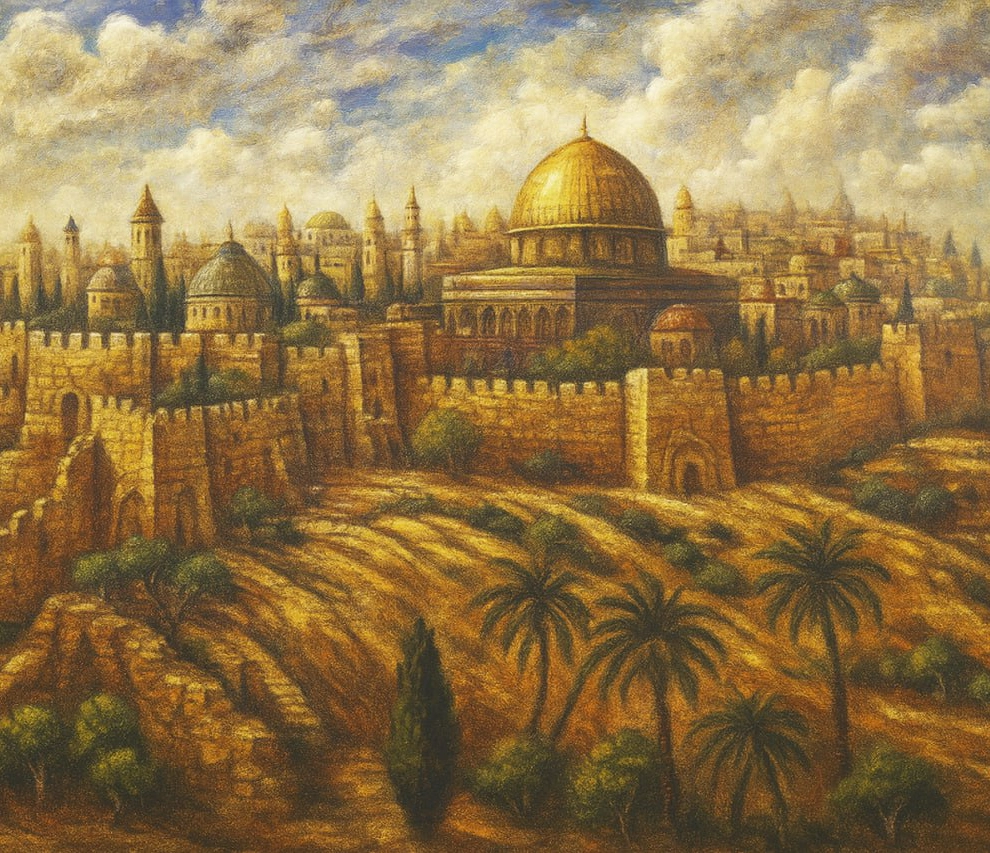
In fact, during the period of exile, the preservation of the land was achieved not by the sword but through language.
The language of prayer, as a tool of collective encoding, etched the image of the land into the Jewish unconscious, to the extent that exile was understood not merely as a spatial condition but as a spiritual state. As stated in the Talmud: “Whoever does not dwell in Jerusalem is in exile, even if in comfort.”
Yet this language of prayer was not limited to preserving memory. Over the centuries, the same spiritual connection to Zion inspired migrations and pilgrimages which, although limited and individual, carried the desire for return. Some ascetic or mystical movements, which later inclined toward settling in the Holy Land, had their roots in this very linguistic and spiritual continuity.
Therefore, it must be said that premodern Zionism, unlike its ideological and modern versions, was not a political project, but an emotional, faithful, and prayerful one. Zion in this era was not a target for conquest, but a point of longing and expectation; a heavenly promise preserved in the language of religion and reproduced in the minds of generations.
The Theology of Exile: Return Only with the Messiah
In the Jewish religious tradition, exile was considered not only a historical event but also a theological and moral condition. The fall of the Temple, the loss of Jerusalem, and the ethnic dispersion were seen not merely as the result of attacks by foreign powers but as consequences of disobedience to divine law and a breach of the covenant with Yahweh. This interpretation laid the groundwork for a form of theology that viewed the return to the land as possible only through God's will and at the appointed time.
Within this worldview, a physical return to Jerusalem before the coming of the Messiah (the promised redeemer) was considered not only futile but sinful. The dominant rabbinic reading, based on Talmudic teachings, proposed the well known doctrine of the Three Oaths, according to which: the Jews must not forcibly return to the land before the appointed time; the nations must not force them into exile again; and they must not attempt to bring about the coming of the Messiah by force or war. These “Three Oaths” appear in the Babylonian Talmud (Ketubot 110b) and became the primary foundation for traditional opposition to the political reestablishment of the Land of Israel before the redemptive era.
Many medieval rabbis including Rashi, Ibn Ezra, and later even influential scholars such as Moshe ben Nachman (Ramban) considered return to the land legitimate only within the framework of a divine plan. In their view, political reconstruction without collective repentance and the appearance of the Messiah was tantamount to betrayal of the divine covenant.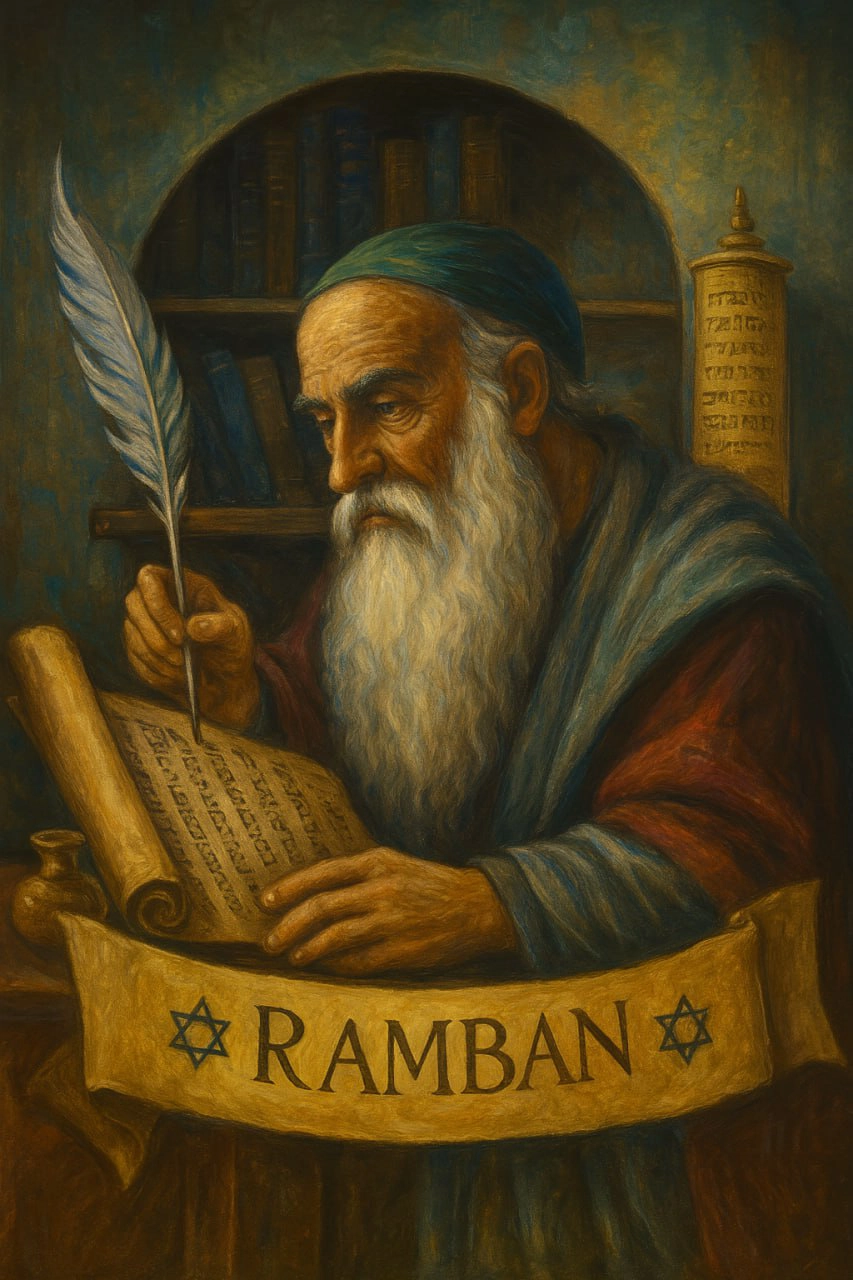
This view persisted into modern times and became the foundational basis for Orthodox opposition to political Zionism.
Even today, groups such as Neturei Karta and segments of the Haredi community, citing these same interpretations, reject the legitimacy of the State of Israel, calling it a “rebellion against God.”
However, this patient and prayerful expectation, over time, laid the groundwork for movements that although not political, carried a practical longing for closeness to Zion.
Medieval Proto-Zionism: Pilgrimage, Journey, and Expectation
Despite the dominance of the traditional discourse that reserved return to the land exclusively for the Messianic age, Jewish history in the Middle Ages was not devoid of movements that may be considered forms of “spiritual proto-Zionism” or “pilgrimage based” yearning. These movements were not driven by goals of state building or political sovereignty, but by faith, asceticism, and religious longing for the Holy Land.
From the twelfth century onward, there are reports of small groups of Jews migrating to Palestine groups composed of mystics, ascetics, rabbis, and students whose goal was to settle in Jerusalem, Safed, Tiberias, or Hebron. These individuals sought the land not for conquest, but for prayer. In their belief, simply living and worshipping in the holy soil was a double virtue and could accelerate the process of redemption.
One of the most notable of these movements was the migration of Spanish rabbis after their expulsion from Andalusia. In the sixteenth century, Safed became a major center of Jewish mysticism (Kabbalah). Figures such as Isaac Luria, known as the Ari or Arizal, established a spiritual school in Safed in which the Holy Land was seen as a setting for spiritual purification and preparation for the Messianic era.
In this period, the concept of Aliyah (ascent to the Holy Land) was more an act of individual piety than a political one. The return to Jerusalem was still not framed in collective or organized terms. Even within these spiritual endeavors, a sense of waiting for divine providence and the coming of the Messiah remained. The return, though begun, still appeared “incomplete” and non political.
Indeed, these movements should not be labeled as political Zionism, but rather as a kind of “humble Zionism”: going to the land not to build a state, but to draw closer to God. Yet these small and spiritual movements, unintentionally, cultivated a soil in which, centuries later, the seeds of ideological Zionism could be sown.
The Emergence of Pragmatic Longing: Confronting Modernity
The entry of Judaism into the modern era marked a turning point in the history of longing for the land a shift from prayer to concern, from aspiration to planning. The eighteenth and nineteenth centuries, coinciding with the Renaissance, Enlightenment, and political revolutions in Europe, exposed Jews to vast intellectual, social, and economic changes.
Yet despite apparent freedoms, new waves of antisemitism, structural discrimination, and cultural exclusion led some to question whether divine waiting alone was sufficient for return.
Amid these transformations, Jewish identity found itself in deep conflict between traditional religion and modern society. While earlier generations saw return to Zion only through the coming of the Messiah, some modern Jews especially intellectuals and social activists began to seek more earthly paths to realize that heavenly promise.
New ideas emerged within Jewish intellectual circles: perhaps the return to the Holy Land could be a “prelude” to the coming of the Messiah, rather than its consequence. This new reading, unlike the conservative rabbinic tradition, spoke of a gradual and historical return a kind of “self initiated redemption,” not reliant on miracle.
At the same time, nationalist movements in Europe such as the unification of Italy, Greek independence, and the revival of suppressed nations inspired Jewish intellectuals. If other peoples could reclaim land and nationhood by their own will, without waiting for divine permission, why couldn’t the Jews?
The Hovevei Zion (Lovers of Zion) movement and the early waves of Jewish migration to Palestine in the second half of the nineteenth century were products of this new outlook, an outlook that did not abandon prayer but transformed it into a prelude to action. The first groups of Jewish immigrants to Palestine, though small and scattered, carried this message: Zion must be built not just in the heavens, but here, on earth.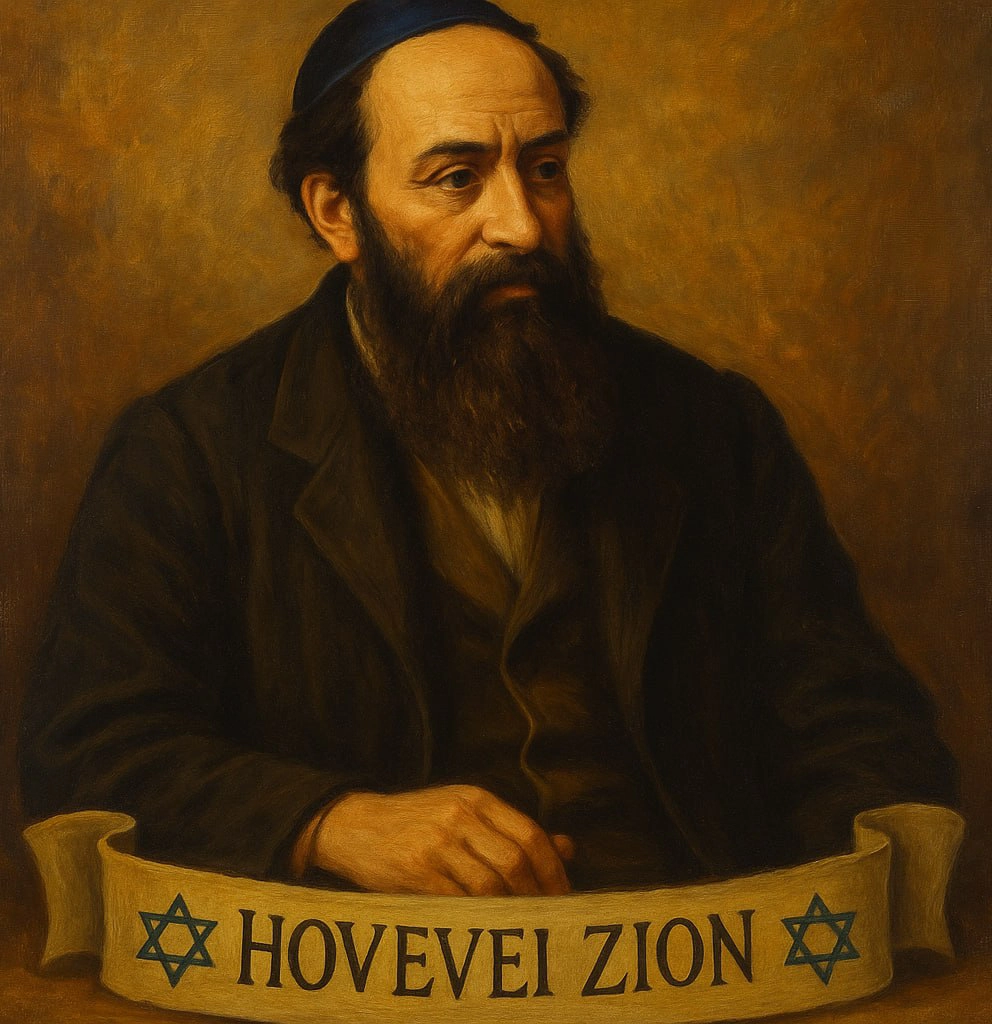
In this context, some reform minded rabbis, such as Yehuda Alkalai and Zvi Hirsch Kalischer, also entered the discourse, offering new interpretations of sacred texts that regarded return to the land not merely as permissible, but as a duty.
They considered the preparatory steps toward return as part of divine providence aimed at hastening the coming of the Messiah. This departure from Talmudic tradition laid the intellectual groundwork for the future of religious Zionism.
Indeed, the nineteenth century marked the transition from prayerful Zionism to practical Zionism. During this period, the concept of the land ceased to be solely a spiritual and ritual center and gradually transformed into a political and historical issue. The longing for return slowly emerged from the realm of prayer and took concrete form as a project for the reconstruction of identity, power, and homeland.
The Intellectual Background for the Birth of Ideological Zionism
The end of the nineteenth century was a period of intense ferment in ideas and identity crises within the Jewish world. At this juncture, various elements that had developed over the centuries prayers for return, the enduring sense of exile, spiritual efforts, and the lived experience of social rejection reached a critical maturity in the collective Jewish consciousness.
The political crises in Europe, the failure of the promises of modernity, and the rise of antisemitism in Eastern and Central Europe all converged to create the conditions for a historic intellectual leap: the transformation of the ideal of return into a modern political ideology.
For the first time, the idea of returning to the land was presented not only as a religious hope but as a solution to the problem of “being Jewish in the modern world.” Thinkers such as Leon Pinsker, in his work Auto Emancipation, and later Theodor Herzl, in The Jewish State, explicitly argued for the necessity of rebuilding a Jewish state. What had previously been an intra religious longing dependent on divine salvation now became a realizable, tangible, and earthly goal.
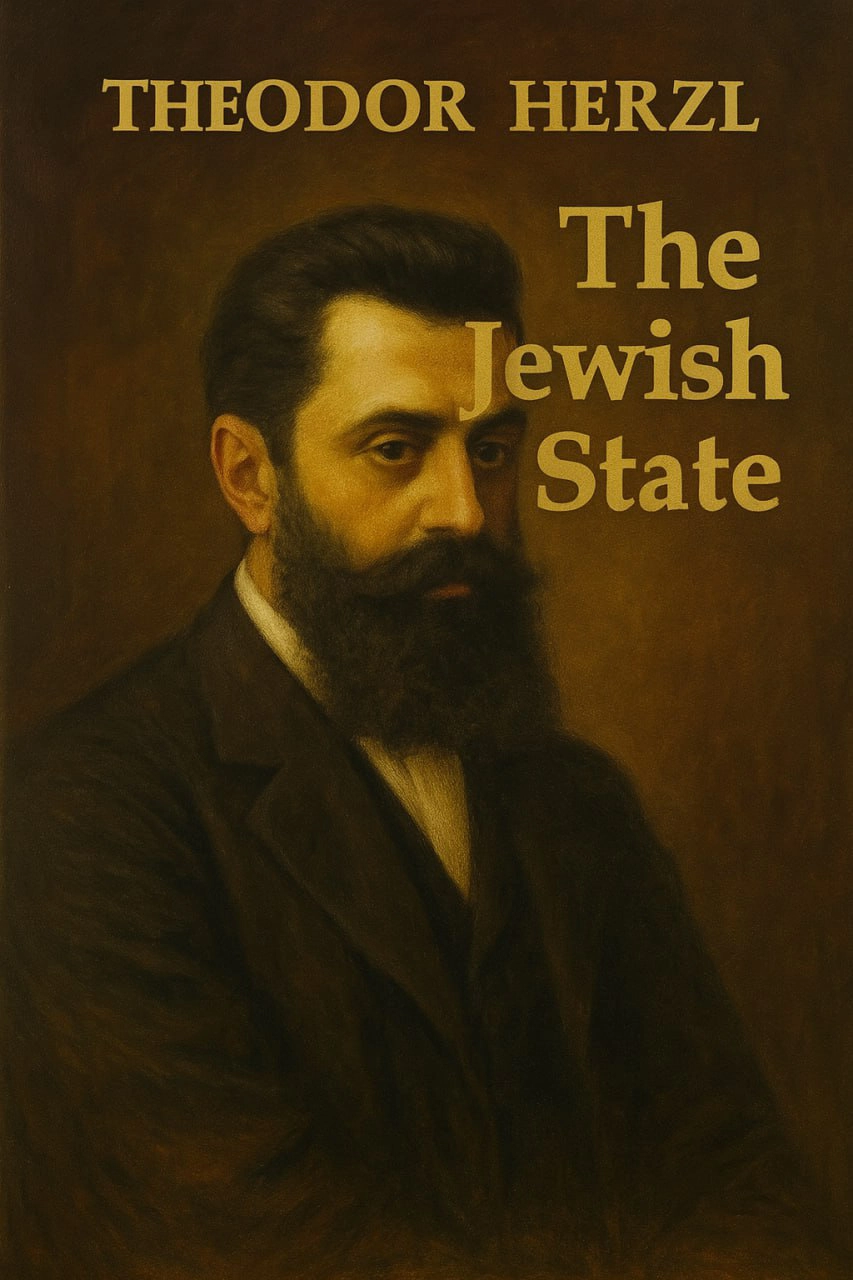
Yet this intellectual leap did not emerge from a void. Without the memory of prayer, without the covenantal narratives, without the tradition of expectation, and without the historical sense of exile, political Zionism could not have found legitimacy. What distinguished Herzl and his contemporaries from other nationalists of their time was their reliance on a legacy formed over two thousand years in Jewish consciousness and ritual.
Thus, even if early Zionism was secular and worldly in nature, it stood in unbreakable connection with historical theology.
This legacy later provided fertile ground for religious Zionism, which sought to reintroduce covenantal theology directly into the political project. But even before that, this cultural and mental foundation granted historical legitimacy to secular Zionism as well.
The Jewish nation, unlike many modern nations, did not begin its state building project through the invention of new myths, but by reviving an ancient ideal.
In this way, ideological Zionism did not arise from a vacuum, but from the accumulation of centuries of memory, prayer, exile, interpretation, and longing for redemption a synthesis of tradition and modernity, idealism and pragmatism, theology and politics.
And it is at this very point that prayer became ideology, and Zion found its way from sacred words into political and military maps.
Conclusion:
Zionism, before it was a political and nationalist project, was rooted in the collective memory and religious rituals of Judaism a memory preserved for centuries in exile through prayer, supplication, the Talmud, and liturgical practices.
This enduring connection to the land, though initially shaped by faith and expectation, moved toward pragmatism and political organization in response to modernity, discrimination, and identity crises.
Modern Zionism, though secular and ideological in form, could not have attained coherence and legitimacy without that earlier spiritual and theological foundation.
What ultimately emerged was not merely the birth of a political movement, but the transformation of a sacred language into a blueprint for historical reconstruction a process in which prayer gradually donned the garments of ideology, and Zion shifted from a sacred memory into a political reality.
Comments
We touched on this in a university course years ago but it was never laid out this clearly. Sent it to my old study group.
Surprisingly good read for a trading blog.
Worth noting that most historians treat the 'proto-Zionist' label carefully — reading modern ideology back into medieval prayers can be anachronistic. Otherwise a fair summary.
Would love a follow-up covering how Herzl's era transformed these earlier ideas into an organized movement. Is that planned?
Didn't expect a history piece here but I learned a lot. The distinction between religious yearning and political ideology was completely new to me.