




What is Phishing?
Phishing is one of the most common and effective methods of cyberattacks, aimed at stealing sensitive information from individuals and organizations. This information can include usernames, passwords, credit card details, and other important data. Phishing uses social engineering techniques to create a sense of trust and urgency in the victims, tricking them into revealing their confidential information. This article explores the nature of phishing, its significance, various execution methods, and protection strategies, so users can safeguard their information and assets.
Definition of Phishing
Phishing refers to a method where attackers create fake web pages, emails, or text messages that appear to come from legitimate sources, attempting to obtain users' personal information. These attacks are typically designed to entice users into clicking on malicious links or downloading infected files. Fake pages often closely resemble legitimate websites, using real logos and names to deceive users.
The Importance of Understanding Phishing
The importance of phishing has grown in today's world due to the increasing reliance on technology and the internet. With the rise of e-commerce and online banking, individuals' personal and financial information has become an attractive target for attackers. Phishing, due to its low cost and high effectiveness, is one of the most popular methods for cybercriminals. These attacks can lead to identity theft, financial loss, and even infiltration of organizational systems.
Phishing does not only affect individuals but also organizations. A successful attack can result in the exposure of sensitive organizational information, loss of customer trust, and significant financial damage. For instance, attackers may use the information gathered to carry out more complex attacks, such as ransomware or industrial espionage.
Given the complexity and diversity of phishing methods, user awareness and education play a key role in preventing these attacks. Organizations must continuously train their employees on new phishing techniques and ways to recognize them. Additionally, the use of advanced technologies such as email filters and antivirus software can help mitigate the risks of phishing attacks.
Overall, phishing presents a major challenge in the field of cybersecurity, and combating it requires widespread cooperation at both individual and organizational levels. By raising awareness and using appropriate tools, the risks associated with these attacks can be significantly reduced. Therefore, understanding the definition and significance of phishing is the first step in protecting oneself and organizations against these threats.
How Phishing Works
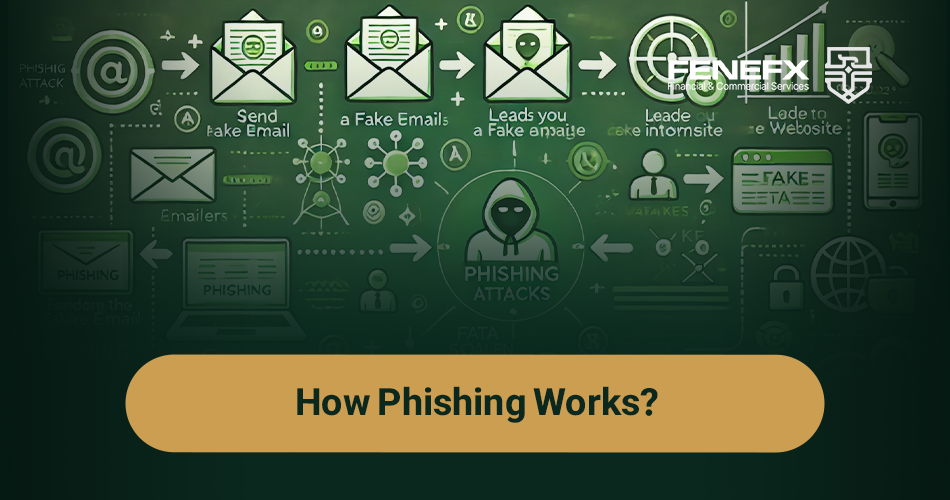
Phishing is one of the most widespread cyber threats, utilized by attackers due to its simplicity and high effectiveness. These attacks rely on social engineering and psychological techniques to trick victims into revealing their sensitive information.
Common Phishing Methods
- Email Phishing
- Fake Websites
- Smishing (SMS Phishing)
- Vishing (Voice Phishing)
- Clone Phishing
Psychological and Social Engineering Techniques
- Creating Urgency: Attackers create a sense of urgency, forcing victims to make quick decisions without thinking. For example, emails claiming that your bank account will be blocked unless you act immediately.
- Building Trust: Attackers use logos and language similar to reputable companies to build trust. This technique makes it easier for victims to fall for the scam and provide their information.
- Emotional Exploitation: Phishing attacks often focus on victims' emotions such as fear, curiosity, or greed. For instance, emails claiming you’ve won a big prize and must enter your information to claim it.
- Impersonating Trusted Sources: Attackers often impersonate familiar individuals or organizations. This imitation can include using familiar names or even making fraudulent phone calls.
- Repetition: Attackers may send similar messages multiple times to increase the chances of success. Over time, victims may become more trusting of these repeated messages.
In summary, phishing takes advantage of psychological and social engineering techniques to deceive users into sharing sensitive information. Awareness of these methods and techniques can help users protect themselves from these threats. Increasing awareness and using appropriate security tools play a crucial role in minimizing the destructive impact of these attacks.
Types of Phishing Attacks
Phishing is a complex cyber threat that can be executed in various ways. Here, we will review three important types of phishing attacks: Email Phishing, Spear Phishing, and Whaling.
Email Phishing
Email phishing is the most common type of phishing, which deceives users by sending fake emails that appear to come from trusted sources. These emails typically contain links to fraudulent websites that look like legitimate sites. The goal of these attacks is to steal information such as usernames, passwords, and financial details.
Attackers often use various techniques, such as employing logos and language similar to reputable companies, to gain users' trust. One effective way to combat these types of attacks is through user education on identifying suspicious emails and using email filters.
Spear Phishing
Spear phishing is a type of phishing that specifically targets individuals or organizations. Unlike general phishing, which is sent to a large number of people, spear phishing attacks gather specific information about their victims and send personalized messages, increasing the likelihood of success.
In these attacks, attackers may use information they have previously gathered, such as the victim's name, job position, or even personal relationships, to create messages that appear highly credible. Due to their targeted nature, these attacks can be particularly harmful, especially if they are used to infiltrate organizational networks.
Whaling
Whaling, or whale phishing, is a type of spear phishing that targets high-level individuals and senior management within organizations. These attacks typically involve messages that deal with sensitive and urgent issues, such as legal or financial matters, and are designed to elicit a quick response from the victim.
In whaling attacks, attackers use more sophisticated techniques, including sending messages that appear to come from colleagues or trusted business partners. The goal of these attacks is to gain access to sensitive information or even facilitate illegal financial transactions.
To protect against whaling, organizations should provide special training for senior management and use security measures such as multi-factor authentication and financial transaction monitoring.
Smishing
Smishing (SMS phishing) is a combination of "SMS" and "phishing" that uses text messages to deceive users. In this type of attack, attackers send text messages that appear to come from trusted sources, such as banks or service companies. These messages usually contain malicious links or requests for personal information.
Attackers create a sense of urgency or threat to compel victims to click on links or respond to messages. For example, a text message might claim that your bank account has been blocked, and you must act immediately to resolve the issue.
To combat smishing, users should avoid clicking on unknown links and contact the company directly if they suspect the legitimacy of the text message.
Vishing
Vishing (Voice Phishing) is a type of phishing that uses phone calls to collect sensitive information. In this case, attackers impersonate representatives of trusted companies and use psychological techniques to persuade victims to disclose their information.
For example, an attacker may call and claim to be from a reputable company's technical support, asking for account details to resolve a problem. This type of attack can be highly convincing due to the use of phone calls.
To protect against vishing, users should always keep their personal information confidential and verify the identity of the caller by contacting the company directly.
Search Engine Phishing
Search Engine Phishing is a type of phishing in which attackers create fake websites and use search engine optimization (SEO) techniques to ensure these sites appear higher in search results. Users clicking on these links are directed to malicious websites where they may enter sensitive information.
These sites may appear to be related to banks, online stores, or social networks. The goal of this type of phishing is to steal users' account and financial information.
To avoid search engine phishing, users should carefully examine the URLs of websites and refrain from entering sensitive information on unfamiliar sites. Using security software and browser extensions can also help detect and block fake sites.
Phishing attacks can take various forms such as smishing, vishing, search engine phishing, and more, each with its own specific methods and techniques. Awareness of these methods and implementing appropriate security measures can help users protect themselves from these threats and prevent the theft of personal and financial information. Training and using modern security technologies play a crucial role in reducing the risks of these attacks.
Methods for Detecting Phishing
Phishing is a serious cyber threat that encourages users to disclose sensitive information through various methods. Detecting these attacks requires awareness of signs and techniques for identifying fake emails and websites.
Signs of Phishing Attacks
- Urgent or Threatening Messages: Emails or messages that create a sense of urgency or threat, such as account suspension or the need to urgently change a password.
- Too Good to Be True Offers: Emails offering unrealistic, attractive deals, such as winning a lottery you never entered.
- Unknown Senders: Messages from people you don't know or email addresses that differ from official company addresses.
- Spelling and Grammar Errors: Phishing emails often contain spelling and grammatical mistakes, indicating a lack of care and authenticity.
- Suspicious Links: Links that display a different or unrelated address when hovered over compared to the text of the message.
By recognizing these signs and applying security measures, users can better protect themselves from phishing attacks and avoid sharing sensitive information.
Ways to Identify Fake Emails and Websites
Check the Sender's Email Address
Always check the sender's email address. Phishing emails often use unfamiliar or similar domains to legitimate ones.
Hover Over Links
Before clicking on links, hover your mouse over them to view the real address and ensure its authenticity.
Check Website URLs
Fake websites usually have URLs that resemble legitimate ones but contain slight changes such as different spelling or the use of unusual domains.
Use SSL Certificates
Ensure that the website uses the HTTPS protocol and has a valid SSL certificate. This indicates the website’s security.
Pay Attention to Website Design
Fake websites may have poorer design quality compared to original websites. Pay attention to the quality of design and the coherence of content.
Contact Companies Directly
If you receive a suspicious email, instead of responding or clicking on the links, contact the company directly to verify the authenticity of the message.
Update Security Software
Using antivirus software and browser security extensions can help in identifying and blocking phishing attacks effectively.
Detecting phishing attacks requires attention to detail and awareness. By identifying common signs of these attacks and using simple techniques to verify the authenticity of emails and websites, users can prevent falling into the hands of attackers. User education and the use of security tools play an essential role in protecting personal and organizational information.
Prevention and Protection Against Phishing
Phishing is one of the most common cyber threats that can cause significant damage to individuals and organizations. To combat these attacks, preventive and protective measures must be implemented.
User Education and Awareness
User awareness is one of the most crucial factors in preventing phishing. With proper training, users can recognize phishing signs and avoid falling into the attackers' traps. Training programs should include the following:
- Identifying suspicious emails and messages: Users should be able to recognize unusual messages and phishing signs.
- Phishing Simulation Exercises: Conducting periodic phishing simulation exercises helps users react better in real-life situations.
- Keeping Information Up-to-Date: Users should be aware of the latest phishing techniques and know how to protect themselves.
Using Security Systems
Robust security systems can help protect information and reduce phishing risks. These include tools and software that assist in identifying and blocking threats:
- Firewalls and Antivirus Software: Using firewalls and antivirus software helps identify and block phishing attempts.
- Email Filters: Powerful email filters can identify suspicious messages and automatically delete them.
- Multi-Factor Authentication: Using multi-factor authentication (MFA) significantly enhances the security of user accounts.
Preventive Technical Measures
Preventive technical measures also play a key role in protection against phishing. These measures include methods and technologies that help reduce risks:
- Software Updates: Regularly updating the operating system and software to fix vulnerabilities and reduce phishing risks is essential.
- Using Security Protocols: Using security protocols such as HTTPS is vital to enhancing the security of web communications.
- Behavior Monitoring and Analysis: Using behavior monitoring and analysis systems can help identify suspicious activities.
Preventing and protecting against phishing requires a combination of user education, the use of security systems, and preventive technical measures. By raising awareness and using appropriate technologies, phishing risks can be significantly reduced. Organizations and individuals should continuously update and improve their security solutions to protect against emerging threats.
Necessary Actions in Case of Being a Victim
If an individual or organization falls victim to phishing attacks, immediate actions should be taken to minimize damage and prevent further attacks. The following steps should be taken:
Reporting and Follow-Up
- Report to Relevant Authorities:The first step is to report the attack to relevant authorities, such as cyber police or internal security teams. This helps identify and trace the attackers.
- Notify Banks and Financial Institutions:If financial information is compromised, notify the relevant banks and financial institutions immediately to block accounts and prevent unauthorized transactions.
- Notify Users and Customers:If customer information is also compromised, inform them and provide guidance on how to protect themselves.
- Collaborate with Security Teams:Collaborating with security teams to analyze and investigate the attack and identify weaknesses is essential. This helps implement suitable measures to prevent future attacks.
Data Recovery and Future Protection
- Change Passwords:After the attack, immediately change the passwords of all user accounts and use strong and unique passwords.
- Enable Multi-Factor Authentication:Enabling multi-factor authentication for all accounts significantly enhances security and prevents unauthorized access.
- Data Recovery:If any data is lost or compromised, use backup copies to restore it. Ensuring up-to-date and secure backups is vital.
- Security Training:Conducting training sessions and workshops to raise awareness among users and employees about phishing and how to protect against it is crucial.
- Update Software and Systems:Ensure that all software and systems are up-to-date and vulnerabilities are patched.
- Continuous Monitoring:Implement continuous monitoring systems to detect suspicious activities and prevent future attacks.
Quick and effective actions after falling victim to phishing attacks can help reduce damage and prevent future attacks. Reporting to relevant authorities, recovering data, and implementing preventive measures are some of the actions that should be seriously considered. User education and the use of advanced security technologies also play a critical role in protecting information and preventing phishing attacks. By increasing awareness and implementing appropriate security measures, the recurrence of such attacks can be prevented.
Phishing in Financial Markets and Trading
Phishing in financial markets and trading is an attractive target for cybercriminals due to the high value of information and digital assets. These attacks can have devastating effects on investors and financial institutions.
Phishing Methods in Financial Markets
- Fake Emails from Brokers:Attackers send emails that appear to come from legitimate brokers, asking users to provide their login credentials. These emails may include links to fake websites that encourage users to enter their account details.
- Fake Trading Websites:Creating fake websites that resemble legitimate trading platforms is another common method. Users who enter their login information on these sites give attackers access to their real accounts.
- Investment Offers:Sending messages with high-return, low-risk investment offers attracts investors' attention. These messages usually contain malicious links that lead to the theft of financial information.
Psychological Techniques
- Creating a Sense of Urgency:Attackers create a sense of urgency and limited-time opportunities to force users into making hasty and unaware decisions.
- Building Trust:Using trusted names and logos to gain users' trust and trick them into providing personal and financial information.
Protection Methods
- Education and Awareness:Investors should be informed about phishing methods and signs of attacks. Periodic training can be beneficial in this area.
- Verify Emails and Links:Users should always check the sender's email address and verify the authenticity of links before clicking on them.
- Enable Multi-Factor Authentication:Activating multi-factor authentication for trading accounts can significantly enhance security.
- Monitor Accounts Continuously:Users should regularly review transactions on their accounts and take immediate action if any suspicious activity is observed.
- Use Security Software:Antivirus software and firewalls can help identify and block phishing attempts.
Phishing in financial markets and trading is a serious threat due to the high value of assets and information. Awareness and education for users, using security technologies, and adopting preventive measures can help reduce the risks of these attacks. By following security tips and staying vigilant when facing suspicious messages, investors can protect their assets from phishing attacks.
The Role of Social Media in Financial Phishing Attacks
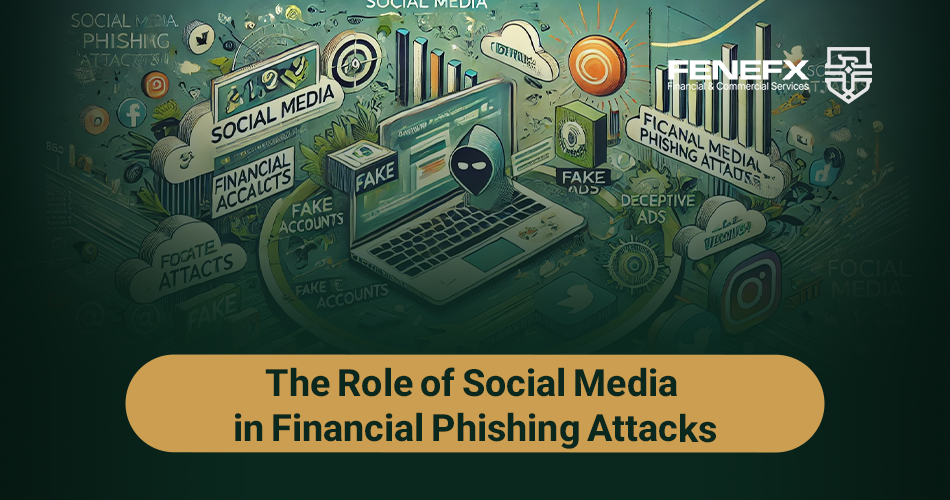
Social media has become a powerful tool for cybercriminals, who use it to carry out phishing attacks in financial markets. These platforms provide an ideal environment for executing phishing attacks due to their widespread reach and easy accessibility.
Methods of Using Social Media in Financial Phishing
- Fake Accounts:Attackers create fake accounts that resemble official pages of financial companies or brokerage firms to deceive users. They request financial information or login credentials by sending direct messages or public posts.
- Deceptive Ads:Fake ads promising high returns or unique investment opportunities can entice users to click on malicious links.
- Investment Groups and Forums:Attackers infiltrate specialized groups and forums related to trading and investing, spreading false information and directing users to phishing sites.
Psychological Techniques in Social Media
- Building Trust through Social Interactions:Attackers more easily deceive users by engaging in active interactions and building networks of trust. They may present themselves as financial experts by sharing partial and credible information.
- Impersonating Bloggers and Influencers:By impersonating or collaborating with fake influencers, attackers can present investment offers to a wider audience.
Protection Methods
- Verify Account Authenticity:Users should always verify the authenticity of financial accounts on social media and avoid interacting with unverified accounts.
- Be Cautious of Ads:Ads that promise unrealistic returns should be viewed with skepticism, and users should research them before clicking on them.
- Report Suspicious Accounts and Content:Users should report any suspicious accounts or content to social media platforms to prevent their spread.
Due to its unique features, social media has become a fertile ground for phishing attacks in financial markets. User awareness and vigilance, along with appropriate security measures, can help reduce the risks associated with these attacks. Given the widespread use of these platforms, the importance of training and raising awareness about phishing threats has never been greater.
Comments
Important topic, explained without the usual scaremongering.
Any plans for a piece on hardware security keys? Curious if they're overkill for a regular trader.
I genuinely thought phishing only meant dodgy emails. Didn't realize fake login pages and SMS scams counted too. Learned a lot here.
Almost fell for a fake exchange email last year — same logo, same footer, everything. The only giveaway was one extra letter in the domain. Still makes me sweat thinking about it.
One thing I'd add: password managers are quietly great anti-phishing tools. If autofill doesn't trigger on a login page, that's your cue the domain isn't what you think it is.