




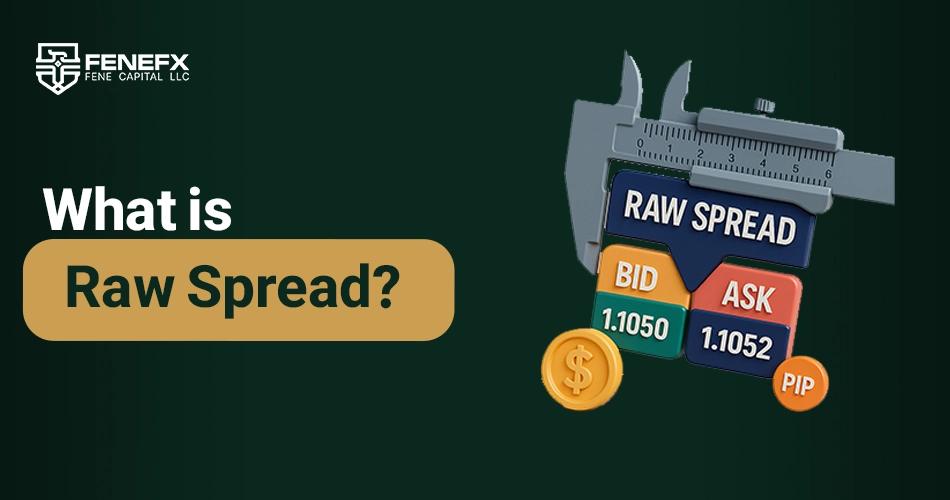
What is Raw Spread?
Spread in financial markets refers to the difference between the buying and selling price of a currency pair, stock, or other assets. Raw spread is a specific type of spread where no markup or additional cost is added by the broker. This means that traders see the exact spread that exists in the interbank or real market, which is typically influenced directly by market supply and demand. This type of spread is usually seen in environments where the broker offers prices transparently, without adding extra fees on top of the base spread. As a result, raw spread typically exhibits more fluctuations and can change depending on market conditions. In contrast, with a regular or standard spread, brokers typically add a markup to the spread. This markup can either be fixed or variable and is generally used to cover the broker's costs for risk management and customer services. Therefore, traders using raw spreads are directly exposed to the real market prices and can avoid extra broker fees.
Raw Spread vs Standard Spread: Key Differences and Similarities
When comparing raw spread to standard spread, the most fundamental difference lies in the way the spreads are calculated and presented. As mentioned earlier, raw spread is derived directly from the interbank market, showing the exact price without any additional markup from the broker. On the other hand, standard spread may include extra fees that the broker adds to the spread. This means that traders using raw spreads are exposed to the actual market price, while those with a standard spread may incur additional charges for the broker's services.
The advantage of raw spread for professional traders is its transparency and lower costs. In this spread type, traders know exactly what they are paying for each trade. However, standard spreads might appeal more to beginner traders since they usually have less fluctuation, and the broker provides a simplified cost structure.
On the other hand, standard spreads might incur higher costs during market volatility, and prices may change unexpectedly in specific conditions. Raw spreads, while more volatile, are generally better suited for experienced traders who can manage these fluctuations and seek lower trading costs.
Raw Spread vs Zero Spread: Which One is Better for You?
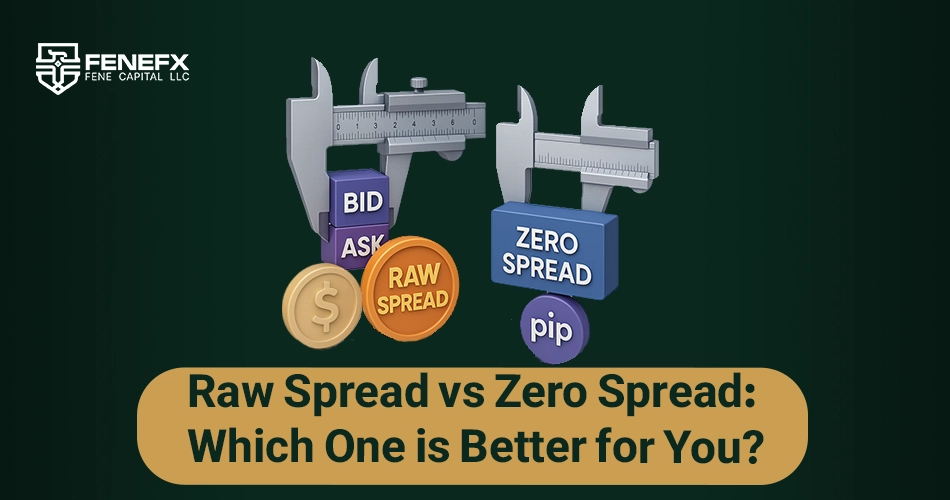
To choose between raw spread and zero spread, it is important to understand the fundamental differences between the two. Zero spread typically means that the trader pays no spread cost when buying or selling, but this doesn’t mean that there are no other charges involved. Brokers often apply other costs such as fixed commissions or hidden fees when offering zero spread. This spread type can be attractive for traders who want to minimize their costs and focus more on trading itself.
Raw spread, in contrast, displays the actual market prices and typically does not involve commissions or extra charges. This spread type is more suitable for traders who want to trade based on real market prices and prefer to avoid additional service charges.
The key point here is that zero spread may appear simpler, but in reality, brokers might collect hidden fees or commissions, causing traders to pay higher costs in the long run. With raw spread, traders know exactly what they are paying and can make more informed decisions.
To choose the best option, a trader must consider the volume of trades and their trading strategy. For example, day traders or scalpers often prefer raw spreads because they require lower trading costs and more transparency. In contrast, longer-term traders or those seeking simpler options might opt for zero spread.
Raw Spread vs Variable Spread: Which One is Right for You?
Raw spread and variable spread are two types of spreads, each offering distinct advantages. The key difference between these two lies in how the spreads are calculated and how they behave over time. Raw spread, as mentioned earlier, directly reflects the real market price and is not influenced by any markup applied by the broker. This spread is ideal for traders who want transparent costs and to see the exact price in the market.
In contrast, variable spread fluctuates depending on market conditions. During times of high volatility, the spread can widen, while it might narrow during more stable periods. This type of spread is suitable for traders who are active during specific market conditions and prefer the flexibility of a spread that adjusts according to market changes.
When deciding between these two types of spreads, it is important to consider the trader’s strategy and market activity. If you are a scalper or swing trader who relies on precise market prices and low transaction costs, raw spread is likely the better choice. However, if you are a trader who values flexibility and doesn’t mind higher spreads during volatility, a variable spread might suit your needs.
Who is Raw Spread Suitable For?
Raw spread is most beneficial for traders who seek transparency and lower costs. This type of spread is especially attractive to professional traders and those with more complex trading strategies. Traders involved in highly volatile and fast-paced markets, such as scalpers, tend to favor raw spread as they need the lowest possible costs to enter and exit trades efficiently.
Additionally, traders who engage in high-volume trading can benefit greatly from raw spread. In such cases, even small differences in spread can significantly impact overall costs. Therefore, using raw spread can help reduce the overall trading expenses for high-frequency traders.
On the other hand, traders who prefer simpler and less stressful trading methods, such as long-term investors, may not find raw spread as appealing. For these traders, more stable spreads with fewer fluctuations may be preferred. Thus, raw spread is particularly suited for those who value transparency and have more control over their trading costs.
Advantages and Disadvantages of Raw Spread
Advantages of Raw Spread: Why is This Type of Spread Beneficial?
Raw spread offers numerous advantages for both professional and beginner traders. One of the primary benefits is its transparency. Since raw spread reflects the exact market price, traders can precisely calculate their costs and avoid any additional fees imposed by brokers. This can help reduce overall trading costs and make it an ideal choice for traders entering volatile markets.
Moreover, raw spread is highly advantageous for traders implementing strategies like scalping or swing trading. In these strategies, even small differences in costs can have a substantial impact on profitability. Raw spread allows traders to enter and exit positions with lower transaction costs, providing them with a competitive edge in the market.
Disadvantages of Raw Spread: What Risks Might Be Associated with It?
While raw spread offers several advantages, it also comes with some drawbacks. One of the main disadvantages is its high variability. Raw spread can fluctuate significantly throughout the day, and this variability can be problematic for traders who prefer a more predictable and stable spread. Moreover, during periods of market volatility, raw spreads can widen, leading to higher costs for traders.
Additionally, raw spread requires more attention and experience from traders. Traders who are new to the market or those who do not trade consistently might struggle with the fluctuations of raw spread. As a result, traders who prefer a more straightforward and less complex trading experience may not find raw spread to be the best option.
Finally, since raw spread is typically variable, it can change depending on the time of day or market conditions. Therefore, for traders who are seeking a fixed spread with no fluctuations, raw spread may not be the right choice.
Table of Advantages and Disadvantages of Raw Spread
Advantages | Disadvantages |
High transparency: The exact market price is shown without additional charges. | High variability: The spread can fluctuate during the day. |
Lower costs: Traders only pay the true market price without added fees. | Requires more experience: Beginners may find it difficult to manage fluctuations. |
Ideal for professional traders: Especially those using strategies like scalping. | Volatility in fast markets: Raw spreads may widen in volatile conditions. |
Suitable for high-volume traders: Reduces extra costs for large-volume traders. | Not ideal for all traders: Traders looking for predictable spreads may prefer fixed ones. |
In Which Markets and Strategies Does Raw Spread Perform Best?
Raw spread, due to its transparency and lack of additional costs added by brokers, performs very well in specific markets and strategies. This type of spread is particularly effective in markets such asForex,Cryptocurrencies, and even infutures marketsandCFDs(Contracts for Difference).
In theForexmarket, raw spread is especially suitable for traders who operate during times of high volatility. Traders who usescalpingandswing tradingstrategies can take advantage of raw spread since they require real-time, precise prices and low transaction costs. This type of spread is advantageous in fast-moving markets because it allows traders to enter and exit positions at the real market price without extra charges.
In theCryptocurrencymarket, raw spread performs well, particularly in digital exchanges and platforms that pull prices directly from blockchain networks. Raw spreads in this market allow traders to trade with minimal costs and are ideal for those who implementscalpingornavigating market swings. Since prices are reflected directly from the market, raw spread helps traders make decisions based on accurate and transparent price movements.
InfuturesandCFDmarkets, raw spread also demonstrates solid performance. Particularly for traders who are engaged in short-term trading with high volumes, raw spread can significantly lower trading costs and provide traders with an opportunity to make quicker moves without worrying about added broker fees.
Suitable Strategies for Raw Spread
- Scalping: This strategy demands fast trades and low costs. Raw spread can give traders the advantage of lower transaction fees to execute multiple trades quickly.
- Swing Trading: In this strategy, traders focus on capturing price movements within a short to medium time frame. Raw spread can help traders save costs when entering and exiting positions.
- Long-term Trading: While raw spread may not be the ideal choice for all long-term traders, it can be useful for those who need precise market pricing and want to minimize fees over time.
How Raw Spread Can Affect Your Trading Costs
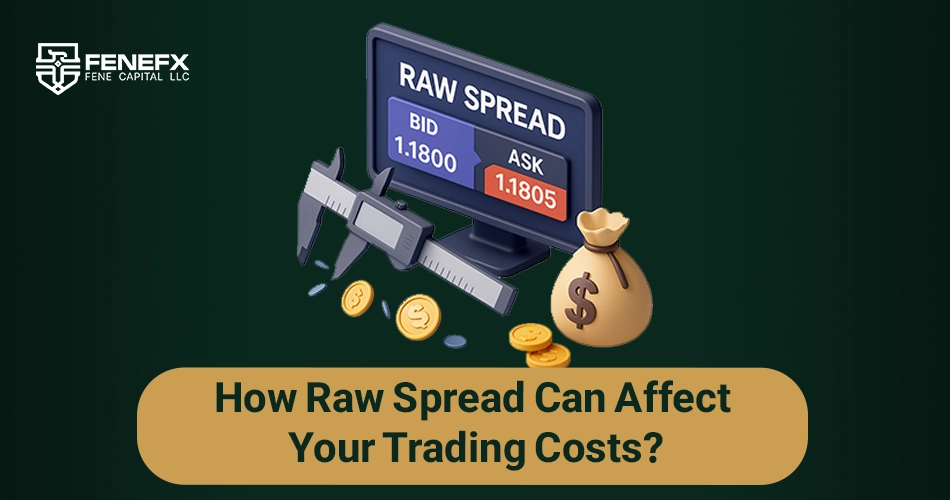
Raw spread can have significant effects on your overall trading costs. One of the main benefits of raw spread is that it eliminates additional broker fees and gives traders direct access to the true market price. Compared to standard or variable spreads, raw spread generally results in lower trading costs.
Effects of Raw Spread on Trading Costs:
- Lower Entry and Exit Costs: With raw spread, you are only paying the true market spread. For instance, in Forex trading, if you are using raw spread, you will only pay the exact price of the market with no added broker fees, making it easier to predict costs.
- Reduced Fixed Costs: In standard spreads, brokers might apply a markup to the spread, increasing your overall costs. However, with raw spread, there are fewer additional fees, and traders are only paying for the real market price.
- Better Cost Prediction: With raw spread, traders can more accurately predict their trading costs. Since there are no hidden broker fees or markups, traders can determine the cost for each trade more easily and transparently.
- Ideal for High-Volume Traders: Raw spread is especially beneficial for traders who engage in high-frequency trading. In such cases, even small differences in spread can significantly impact overall trading costs. Therefore, raw spread can help reduce overall expenses for traders who execute large volumes of trades.
Important Considerations When Choosing a Broker with Raw Spread
Choosing the right broker for trading with raw spread is essential for making the most of this type of spread. Below are some key points to consider when selecting a broker for raw spread:
- Price Transparency: The first and most important consideration when choosing a broker is to ensure that they provide real market prices without adding any markup. Some brokers may show raw spreads with hidden commissions or additional costs, which can mislead traders. Therefore, it’s crucial to check that the broker does not apply any extra charges to the raw spread.
- Trading Volume and Strategies: The broker you choose should support your trading strategies. For traders with high trading volumes or those using strategies like scalping, the broker should offer low and consistent raw spreads with minimal fluctuations.
- Order Execution Speed: The broker's execution speed is another vital factor. Raw spread typically fluctuates in volatile markets, so a broker with fast execution can help traders take advantage of these fluctuations and avoid slippage during trade entry and exit.
- Reliable Trading Platforms: Ensure that the broker offers robust and reliable trading platforms, such as MetaTrader 4/5, cTrader, or other advanced platforms. These platforms should provide features such as advanced charting tools, quick trade execution, and risk management tools to help traders make informed decisions.
- Customer Support: Make sure that the broker offers 24/7 customer support. Being able to get quick help when facing issues or needing guidance is crucial for maintaining a smooth trading experience.
- Additional Costs: Some brokers might offer raw spreads but charge extra fees, such as commissions or hidden costs. These fees should be completely transparent so that traders can make an informed decision. It's important to understand all the costs involved in trading with a particular broker.
Ultimately, choosing the right broker for raw spread depends on your specific trading needs. By thoroughly reviewing the broker's features and conditions, you can make an informed choice that maximizes the benefits of raw spread in your trading strategy.
Comments
One nuance: raw doesn't mean the spread is always 0.0. During news it still widens, sometimes a lot. People see 'raw' and assume it's fixed at zero — it isn't.
Good explainer, straight to the point.
Ohh so that's why my 'zero spread' account still charges me. The commission part finally makes sense now, thanks for this.
Switched to a raw spread account last year for scalping and my costs dropped noticeably. Wouldn't go back to standard for short-term trades.
Can you cover how commissions work on raw accounts? Is it per lot per side or round turn? That part always confuses me.