




🇺🇸 USD Outlook: Tariff Threats, Russia Sanctions, and CPI Data Set the Tone
The EUR/USD pair, which dropped by 0.3% during the Asian session following U.S. threats of a 30% tariff on European imports, is currently trading just 20 pips below Friday’s closing level. Such aggressive trade rhetoric has become a hallmark of Trump-era tactics aimed at pushing toward renegotiated deals. ING analysts expect a more favorable outcome for Europe eventually, but anticipate market noise and volatility leading up to the August 1st deadline. Despite weekend reports suggesting the U.S. may impose steep tariffs on both EU and Mexican imports, market reactions have been muted. U.S. and German stock futures are down by 0.4% and 0.6% respectively, while the dollar has seen mild strengthening. The market seems to interpret these threats more as negotiating strategies than actionable policy.
Russia Sanctions Back on the Table
The White House appears ready to intensify its stance on Russia. With President Trump reportedly losing patience with President Putin, new sanctions may be imminent. The U.S. is also expected to send Patriot missile systems to Ukraine, signaling a strategic shift. There is speculation that secondary sanctions could be introduced against countries that continue buying oil from Russia—potentially even extreme tariffs up to 500%. India, among others, could be particularly vulnerable.
If these sanctions significantly impact Russian energy exports, energy prices could spike. That would benefit the U.S., now an energy-independent nation, while placing economic pressure on energy-importing countries in Europe and Asia. Such a development would also support the dollar.
U.S. CPI Data: A Key Risk Event
Beyond geopolitics, macroeconomic data will play a crucial role this week. On Tuesday, the U.S. Consumer Price Index (CPI) for June is set for release. Expectations point to a 0.3% monthly rise, partly reflecting the early impacts of trade tariffs. While more pronounced effects may show up in data for July through September, even this release could trim 17 basis points from market expectations of a Fed rate cut in the September 17 FOMC meeting.
If sanctions affect energy markets, the U.S. Dollar Index (DXY) could rally toward 98.35 in the short term.
🇪🇺 Euro Outlook: Still Room for Downside
Traders waiting for better EUR/USD entry levels may not have to wait long. Trade talks between the U.S. and EU are expected to remain noisy over the coming weeks. Rising energy prices and the potential for a slight rebound in U.S. interest rates, if inflation surprises to the upside, could keep pressure on the euro. A close below 1.1650 today would open the door for a retracement toward the 1.1450–1.1500 zone—currently ING’s base-case scenario.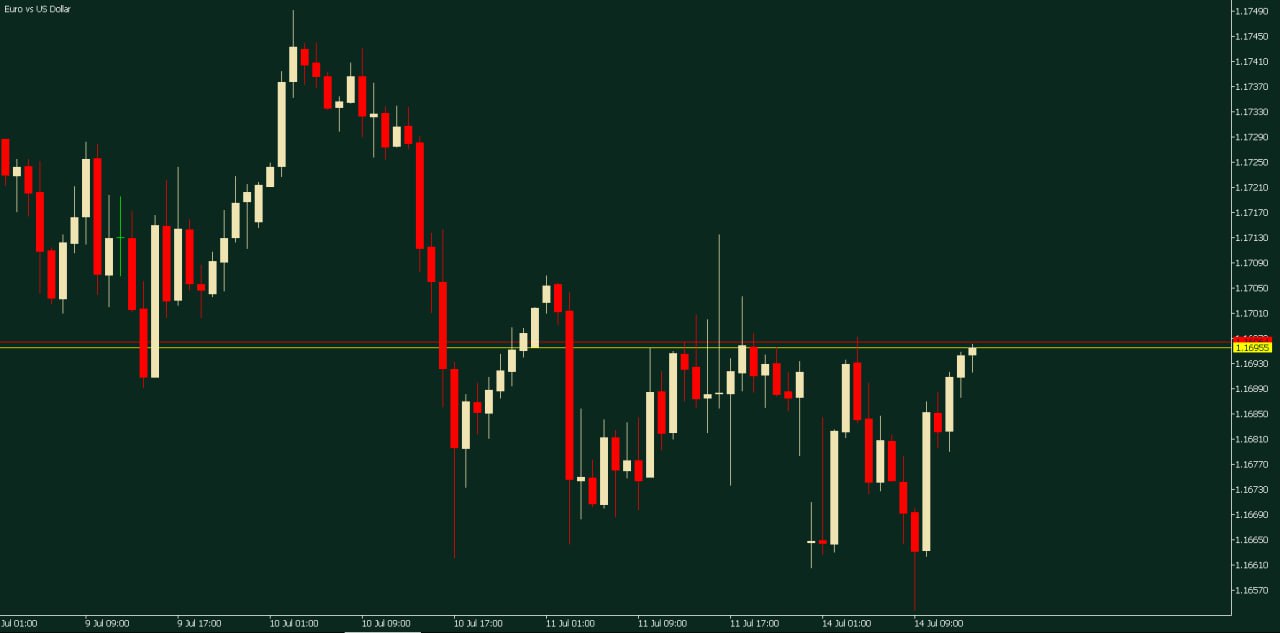
Additionally, market focus today will be on demand for newly issued EU bonds. Last week, 7-year and 20-year bonds saw demand 14x and 20x the supply, respectively. Today, the EU plans to issue €5 billion in bonds maturing in 2028, 2034, and 2054. Tomorrow’s settlement of last week’s issuance may still attract EUR/USD buying, even if U.S. inflation is strong.
Although the ECB’s economic calendar is light this week, ING maintains a forecast for a 25 basis point rate cut in September. However, markets are currently pricing only a 40% probability, which could become a drag on the euro in the months ahead.
🇬🇧 GBP Outlook: Cracks Widen in the Labor Market
Investor sentiment toward the British pound appears to be turning more negative, partly due to budget constraints facing Chancellor Rachel Reeves. This week, however, the focus shifts to macro data—especially labor market figures.
Today, a weak labor market survey from KPMG has already set a cautious tone. Thursday’s release of official employment data for June will be critical. May’s payrolls showed a shocking 109,000 drop. Any failure to revise that number upward could signal deeper weakness, potentially pushing the Bank of England to act more aggressively on rate cuts.
CPI data for June, also due tomorrow, is expected to show further disinflation in services—a factor that could support quicker monetary easing. Currently, the market is pricing in two 25bps rate cuts for the rest of the year.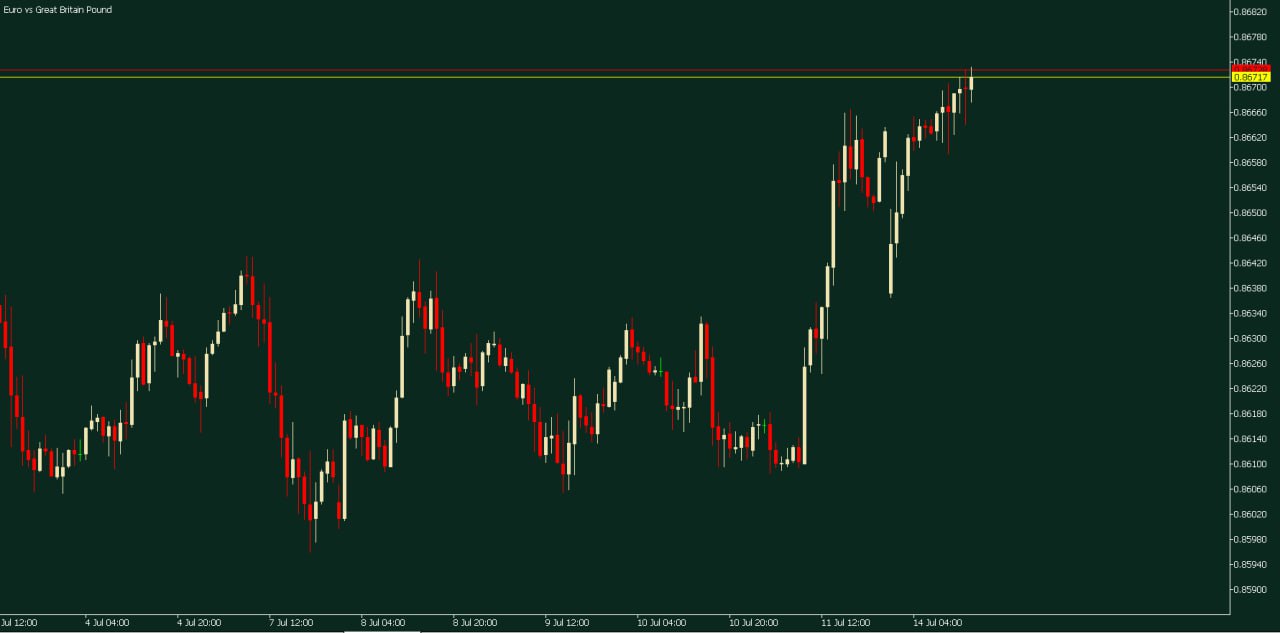
The EUR/GBP pair has held above key support at 0.8600, but incoming data could drive a break above resistance at 0.8670, with the April high of 0.8735 next in focus.
Conclusion
Markets remain cautiously optimistic that current geopolitical noise—ranging from tariff threats to potential sanctions—will ultimately lead to negotiated outcomes rather than shocks. However, U.S. CPI and any surprise from the White House regarding Russia could swiftly change the narrative. Traders should watch key support/resistance zones in EUR/USD and EUR/GBP, and monitor energy prices as a potential catalyst for USD strength.
Comments
Sharp, timely analysis. More of these please.
Tariff headlines fade fast in my experience — it's rate expectations that actually carry DXY. I'd weight the CPI section double and the sanctions part half.
Would love a piece on how tariff news hits commodity currencies like AUD and CAD. Feels like they react even harder than the majors.
Newish to fundamentals and this connected the dots between sanctions and dollar demand for me. Appreciate how jargon-free you kept it.
Held a EURUSD short through the last CPI print thinking I was safe. I was not. Reading this kind of outlook beforehand is now part of my routine.