FeneFX Articles — Page 6 of 17

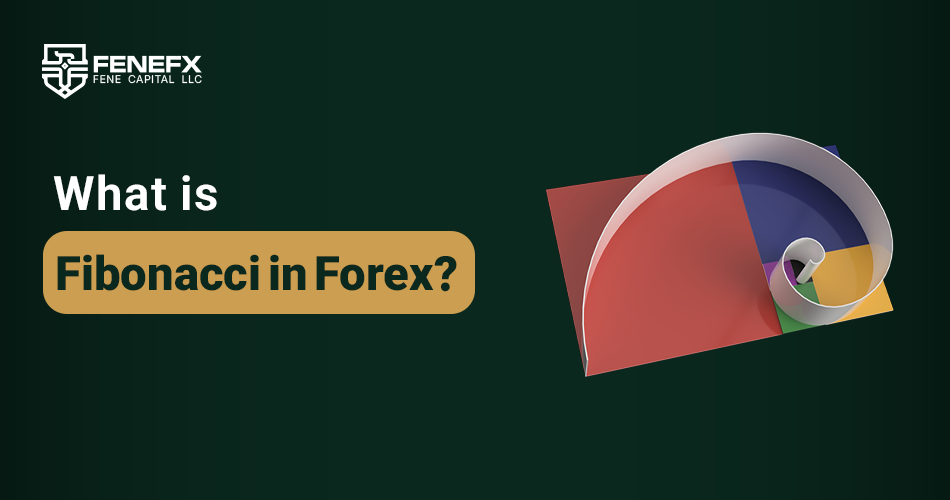
What is Fibonacci in Forex?

What is Fibonacci in Forex?

Fibonacci is one of the most widely used tools in technical analysis for Forex trading. It helps traders identify key entry and exit points, as well as support and resistance levels. According to statistics, more than 70% of professional traders use Fibonacci tools to accurately predict price movements. The tool is named after the Italian mathematician Leonardo Fibonacci, who introduced a famous sequence in the 13th century, which forms the foundation of Fibonacci tools in technical analysis today.
articlesArash Rostami
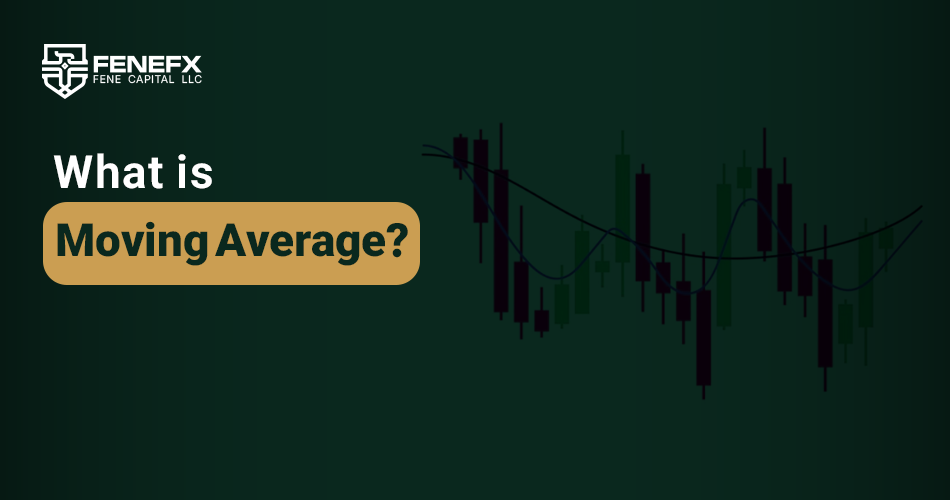
What is Moving Average?

What is Moving Average?

Moving Average is a set of technical analysis tools used to identify market trends and predict the direction of price movements in the market and forex trading. These tools help traders by calculating the average price over a specified time period, allowing them to filter out short term market fluctuations and get a clearer view of long term trends. In the complex world of financial markets, moving averages play an important role in determining entry and exit points for trades

articlesKian Mahmoudi
What is a Trading Checklist? + How to Create It

What is a Trading Checklist? + How to Create It

A trading checklist is a list of rules and criteria that a trader must consider before entering or exiting a trade. This checklist acts as a roadmap and guideline that prevents emotional decision making and keeps the trader’s focus on the logical and analytical aspects of the trade. In financial markets, quick and unplanned decisions can lead to irreparable losses. A trading checklist prevents such mistakes and guides the trader toward making decisions based on plans and strategies. Moreover, having a checklist ensures that the trading process is structured and traceable. In other words, a trading checklist helps you adopt a systematic and planned approach instead of momentary reactions. In summary, a trading checklist is a tool that helps traders execute their trades based on predefined criteria and protects them from emotional or irrational decisions. This tool is essential for all traders, from beginners to professionals.

articlesElham Sadeghi
How to Open a Forex Account?

How to Open a Forex Account?

Many people imagine that opening a Forex account is complicated, time consuming, and exclusively for professionals, but the reality is that with the right information and choosing a suitable broker, you can activate your account in less than an hour and gain access to the world's largest financial market. Whether you want to start with a small capital or are looking for a serious investment opportunity, having a secure and legitimate trading account is your first and most important step. In this practical guide, we will walk you through the entire registration process in Forex step by step: from selecting a reputable broker and submitting identity documents to funding the account and starting your first trade. Even if you are Iranian and concerned about restrictions, there are practical and secure solutions that we will address later. So, if you are ready to begin your trading journey with complete confidence and awareness, stay with us.

articlesSobhan Moradi
The Best Way to Make Money from Cryptocurrency

The Best Way to Make Money from Cryptocurrency

The global cryptocurrency market, with a daily trading volume exceeding $200 billion, offers opportunities for people of all knowledge levels and investment capacities. From low risk and stable methods such as staking and holding, which generate annual returns of 5% to 15%, to more specialized and challenging activities like professional trading and mining, everyone can choose the best path based on their abilities and resources and establish a unique position in this new financial ecosystem.

articlesNiloufar Kazemi
What is a Trailing Stop Loss?

What is a Trailing Stop Loss?

A Trailing Stop Loss is one of the key tools in financial risk management that helps traders not only minimize potential losses but also protect their accrued profits. Unlike a fixed stop loss, which is set at a specific price point and remains unchanged throughout the trade, a trailing stop loss moves along with price fluctuations and adjusts itself to new market conditions. This feature allows the stop loss to shift in the direction of a favorable market move, thereby supporting the profitability of the trade.

articlesSobhan Moradi
What is Multi Time Frame Analysis?

What is Multi Time Frame Analysis?

In simple terms, multi time frame analysis means examining a chart across multiple time frames to achieve a more accurate and comprehensive analysis. In fact, when a trader operates only on a single time frame such as the 15 minute or 4 hour chart they have a limited perspective on market behavior. Multi time frame analysis helps by first understanding the bigger picture of the market on a higher time frame, then reviewing the market structure in the medium term, and finally, using the lower time frame for precise entry and exit decisions.

articlesKian Mahmoudi
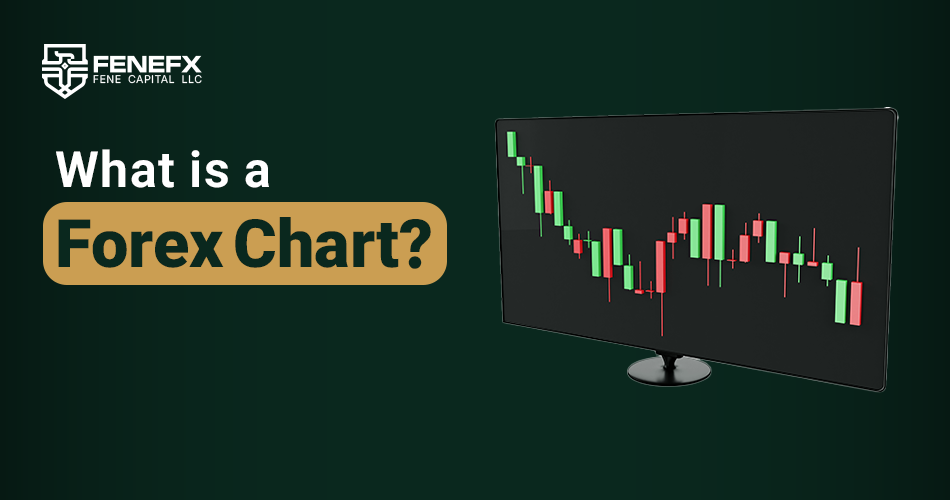
What is a Forex Chart?

What is a Forex Chart?

A forex chart or currency chart is one of the main tools in financial market analysis that helps traders analyze price movement trends and make trading decisions based on historical data. In fact, charts are visual representations of price changes for a currency pair over time, and traders use them to predict market direction. Forex charts are particularly important for technical analysis. These charts can directly show market trends, entry and exit points, and even support and resistance levels. Without accurate and efficient charts, market analysis would be nearly impossible, as raw price data alone cannot display precise trend changes.

articlesElham Sadeghi
What Is the Floating Risk Rule in Prop Trading?

What Is the Floating Risk Rule in Prop Trading?

The floating risk rule in the Forex market refers to the risk that arises due to the continuous fluctuations in currency exchange rates. Generally, currency price changes in the Forex market are influenced by factors such as global economic shifts, political developments, and even market psychology. For this reason, traders active in the field of prop trading are faced with a concept known as floating risk. The floating risk rule in prop trading refers to the amount of risk a trader is allowed to take in each trade, which varies depending on the status of their account. In other words, as a trader’s profits or losses increase, the amount of risk may automatically adjust. This rule helps traders protect their capital more intelligently while also taking advantage of profitable opportunities.

articlesArash Rostami
The Impact of OPEC on Crude Oil Prices

The Impact of OPEC on Crude Oil Prices

OPEC (Organization of the Petroleum Exporting Countries) was established in 1960 in Baghdad by five founding countries: Iran, Iraq, Kuwait, Saudi Arabia, and Venezuela. The primary goal of this organization was to coordinate oil policies among its members and ensure fair and stable prices for both producing and consuming countries. The organization also sought to protect the collective interests of its members against pressures from consuming countries, especially Western economic powers that controlled the oil market. In its early decades, OPEC played an important role in stabilizing the oil market and was able to keep prices at desired levels by regulating oil supply. However, over time, various factors such as global economic developments, technological growth, and increased oil production from unconventional sources, including U.S. shale, created challenges for the organization.

articlesElham Sadeghi
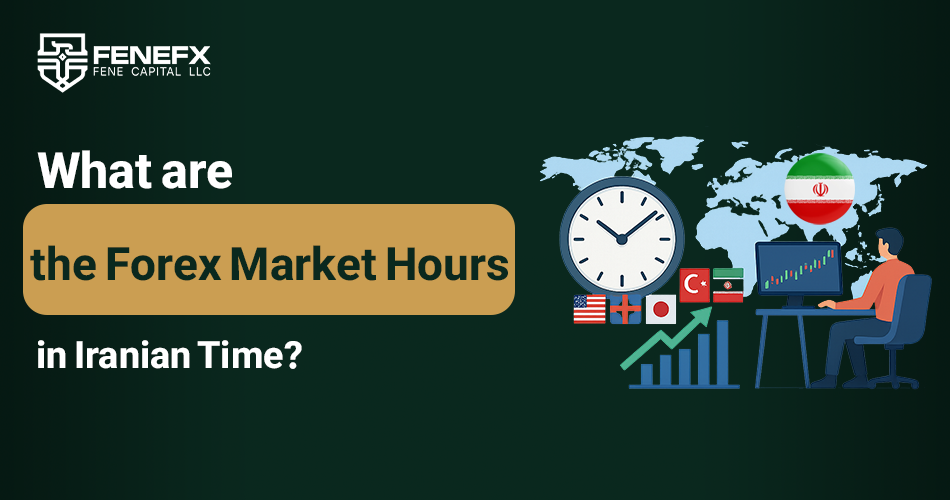
What are the Forex Market Hours in Iranian Time?

What are the Forex Market Hours in Iranian Time?

The Forex market, as the largest financial market in the world, operates 24 hours a day, 5 days a week, providing attractive opportunities for Iranian traders. This market functions in four main sessions: Sydney, Tokyo, London, and New York. Due to the time difference between Iran and GMT, the timing is different for Iranian traders. Having a precise understanding of these working hours and choosing the best trading time can play an important role in the success of traders.

articlesSobhan Moradi
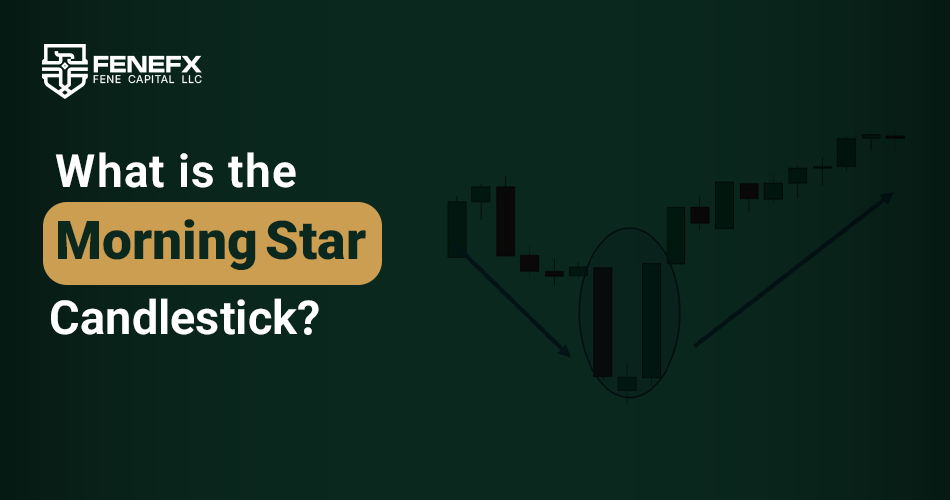
What is the Morning Star Candlestick?

What is the Morning Star Candlestick?

The Morning Star candlestick is one of the most popular patterns in financial markets and trading. It is named the Morning Star because it is recognized as a signal indicating the end of a downtrend and the beginning of an uptrend in the market. This pattern, formed by three distinct candlesticks, reflects a market reversal. Just as the sunrise heralds a new day, the Morning Star pattern forecasts a reversal and the start of a bullish trend.

articlesNiloufar Kazemi
What is a Centralized Exchange?

What is a Centralized Exchange?

Centralized exchanges (CEX) have been at the heart of the cryptocurrency market for years; however, analyses about them often remain limited to the most superficial technical or security concepts such as transaction speed, exchange wallets, mandatory authentication, or the risk of being hacked. Nevertheless, in a world where discussions around data sovereignty, concentration of power, and the role of intermediary institutions in digital architecture are becoming increasingly vital, our perspective on centralized exchanges must also change.

articlesSobhan Moradi
What is an IB (Introducing Broker) in Forex?

What is an IB (Introducing Broker) in Forex?

An IB (Introducing Broker) plays a key and strategic role in the Forex market; these individuals or companies act as reliable intermediaries between traders and brokers. By attracting and introducing new clients to brokers, they not only facilitate access to trading services but also earn significant income. According to reports, IBs typically receive between 20% to 50% of the commission from the trades of the clients they introduce, which can generate millions of dollars in annual revenue in the Forex market. Considering the rapidly growing Forex market and intense competition among brokers to attract clients, the role of IBs as a communication bridge and a driving force for the development of this industry has become increasingly important. This collaborative model not only enhances the credibility and reach of brokers’ networks but also provides attractive income opportunities for IBs.

articlesNiloufar Kazemi
What is Liquidity?

What is Liquidity?

Liquidity, or market liquidity, refers to the speed and ease with which an asset can be bought or sold in the market without causing a significant change in its price. The more easily and quickly an asset is traded, the more liquid it is considered. For example, currencies like the US dollar usually have high liquidity because they face high demand in various markets during most hours of the day. Conversely, assets such as real estate or artworks may take months to sell, indicating their low liquidity.

articlesArash Rostami
Analysis of Global Financial Market Trends in 2025

Analysis of Global Financial Market Trends in 2025

The year 2025 is shaping up to be a pivotal one for global financial markets. On one hand, contractionary monetary policies by major central banks and the continuation of rate hikes or stabilization efforts are expected to bring significant changes. On the other hand, geopolitical tensions across different regions of the world and the rise of innovative technologies have heightened uncertainty for investors. Understanding these factors and analyzing key trends is crucial for making informed financial and investment decisions.

articlesNiloufar Kazemi